Wade's Plumbing & Septic serves Santa Cruz County and nearby Santa Clara County communities with plumbing, water heater, leak, and septic installation work (with engineers). Wade's does not pump tanks. Winter here is a rainy season on the coast and a mix of rain plus occasional cold nights in the mountains. This checklist covers both. Quotes are free.
Quick answer
A Santa Cruz County winter plumbing checklist is a short list you can finish before the next storm or cold night. Find the main water shutoff. Protect exposed pipes and hose bibs where mountain nights can drop near freezing. Look over the water heater. Point roof, yard, and sump water away from the foundation and any septic drainfield. NOAA's 1991 to 2020 monthly normals for the Santa Cruz cooperative station (USC00047916) show a mild coast: January's average low is 41.4°F and December's is 40.9°F. That same station records 6.42 inches of precipitation in January and 6.01 inches in December. Higher elevations in the San Lorenzo Valley and Santa Cruz Mountains are typically colder than that coastal station, so exposed pipes need more attention there.
- Find the main shutoff and make sure you can reach it and turn it.
- Disconnect garden hoses. Close indoor valves that supply outdoor faucets, then open the outdoor faucet so the line can drain.
- Insulate hose bibs, crawl-space pipes, garage lines, and well pump-house piping in the mountains.
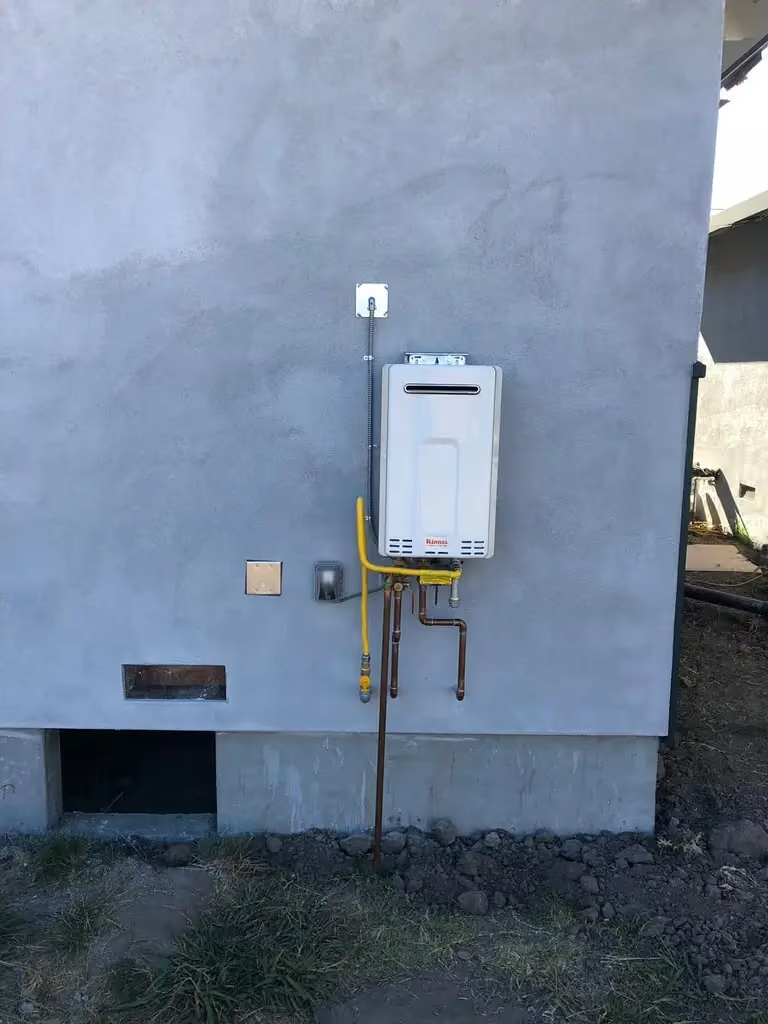
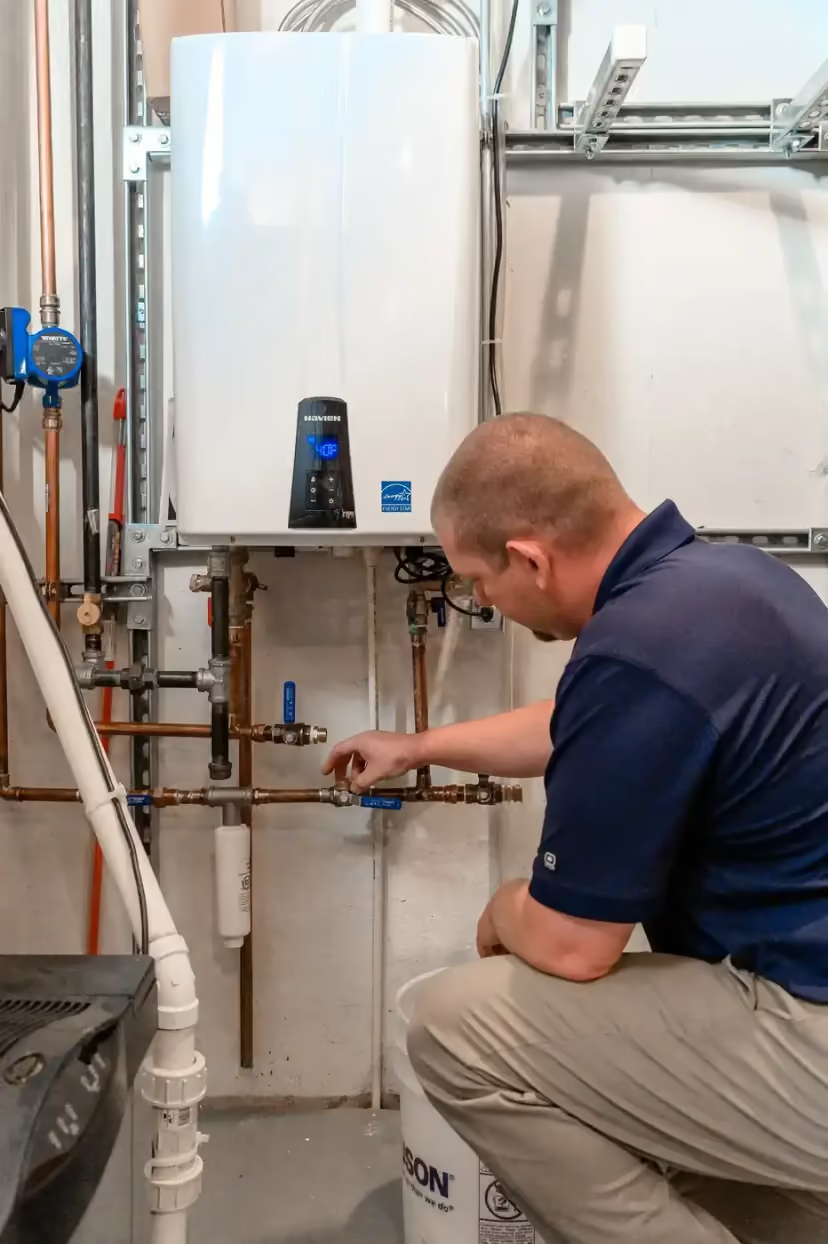
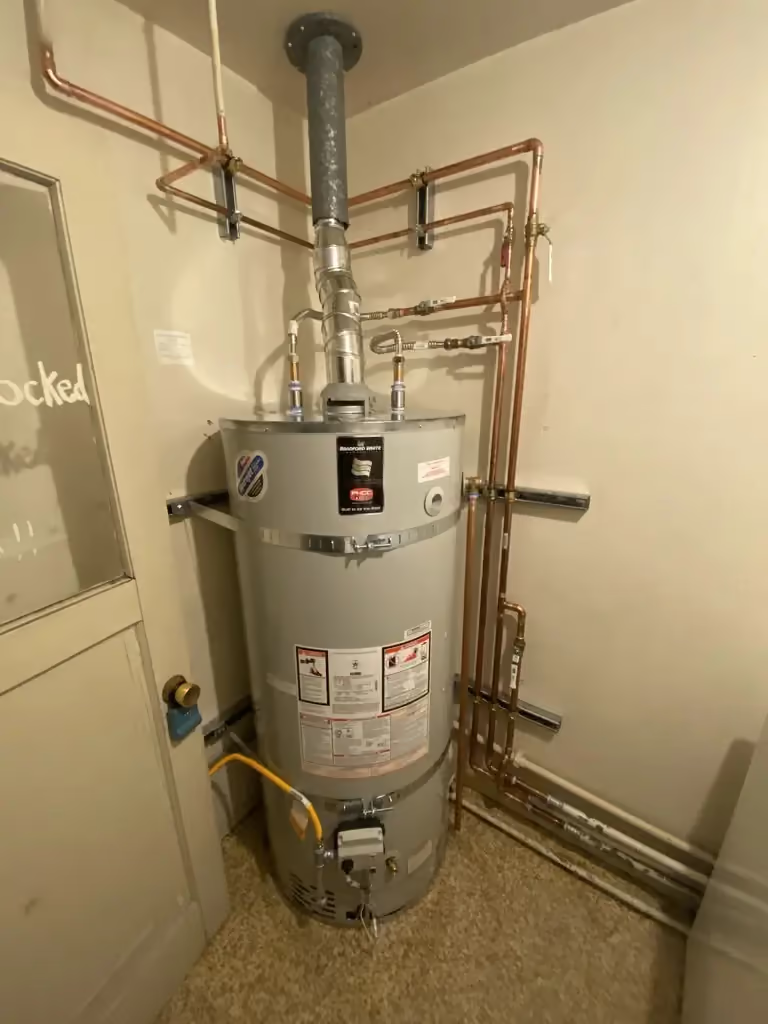
- Look over the water heater for leaks, rust, and the temperature setting.
- Walk the house after a storm. Point downspouts and sump discharge away from the foundation and any drainfield.
This is the season-wide list. The frozen pipe guide covers thawing and freeze nights in more detail. The New Year plumbing reset is a January weekend version that adds washer hoses and a leak test.
Coast and mountain winters are not the same
Homes in Santa Cruz sit in a marine climate. Hard freezes are uncommon. The bigger winter load is rain: roof water, crawl-space dampness, and storm drains that back up against the house.
Homes in the San Lorenzo Valley and Santa Cruz Mountains, including Boulder Creek and Ben Lomond, sit higher and farther from the ocean. Cold snaps do reach shaded canyons, ridgelines, and unheated spaces. Hose bibs, garage pipes, guest units, and well pump houses are the fixtures that freeze first. The Red Cross list matches that local pattern: outdoor hose bibs, sprinkler lines, and pipes in unheated interior spaces or along exterior walls.
Use the coastal half of this list everywhere. Add the freeze steps if your house sits in the mountains, on a shaded canyon, or has pipes in a garage, crawl space, or pump house.
1. Find the main water shutoff
When a pipe splits or a supply line bursts, the main shutoff is what stops the water. Everyone in the house should know where it is before a storm week.
Look near the water meter, where the supply line enters the house, or in a garage or crawl space. On a private well, also know how to shut down the pump and pressure tank. Layouts vary by house, so do not expect a fixture that is not there.
The San Francisco Public Utilities Commission's homeowner page is a useful description of the two common valve types, not a map of Santa Cruz County houses:
- A round-handle gate valve closes by turning clockwise until it stops.
- A ball valve with a lever is off when the handle sits at a right angle to the pipe.
Clear anything stored in front of it. Close it partway and open it again. If it is stuck or leaks at the stem, do not force it. A valve that breaks while you are testing it can leave you with no way to stop the water. Fixture shutoffs under sinks, behind toilets, and at the washing machine let you isolate one fixture without shutting off the house. Our pipe repair and replacement service covers valves that will not turn.
2. Hose bibs and exposed pipes
The American Red Cross winter-pipe steps are the right ones for mountain nights and for any house with outdoor faucets:
- Remove, drain, and store outdoor hoses. A hose left attached can trap water in the spigot.
- Close the indoor valves that supply outdoor hose bibs. Open the outdoor faucet so remaining water can drain, and leave it open so any leftover water can expand without splitting the pipe.
- Insulate hose bibs and above-ground backflow devices with a foam cover.
- Insulate pipes in crawl spaces, attics, garages, and well pump houses. Foam sleeves work on those runs.
On the coldest mountain nights, the Red Cross also recommends keeping the thermostat at the same temperature day and night, opening sink cabinets on exterior walls, and letting cold water trickle from faucets served by exposed pipes. If you leave for a stretch, leave the heat on and set no lower than 55°F. The frozen pipe guide covers safe thawing (gentle heat, never an open flame).
Coastal houses can skip the trickle-faucet step in a typical winter. They should still disconnect hoses. A cold snap still reaches the shore some years, and a hose left on a bib is an easy failure.
3. Water heater checks
The U.S. Department of Energy's Energy Saver guide gives a few water heater steps that fit a winter pass:
- Temperature. DOE suggests setting a water heater to 120°F, a temperature it describes as safe for most people.
- Sediment. For tank heaters, DOE suggests draining a quart of water from the tank every three months to remove sediment, following the manufacturer's directions.
- Look around the unit. Water, rust, or corrosion at the base or connections is a reason to plan service. Keep the area clear, especially around a gas unit. Confirm the temperature and pressure relief valve has a discharge pipe in place and unblocked.
Winter is a poor time to discover that a tank is leaking into a closet. If the heater is aging and showing those signs, our post on whether to repair or replace a water heater walks through the decision. Water heater installation covers tank and tankless units.
4. Sump pumps, gutters, and drainage
Rain, not ice, is the main winter plumbing load for most Santa Cruz County homes. After a storm, walk the house:
- Gutters and downspouts should send water away from the foundation, not into a crawl space or against siding.
- If you have a groundwater sump pump, confirm the pump starts, the discharge line is clear, and the water leaves the house. Point that discharge away from any septic drainfield. A sump is not a septic tank pump.
- Standing water next to the house after the rain stops is a drainage problem, not a plumbing leak, until you rule the other out. A blocked storm drain can be the cause.
- On septic, roof and sump water on the drainfield is the same issue covered in our saturated drainfield guide. EPA's care page says excess water slows or stops treatment.
If the wet area is from a plumbing leak rather than groundwater, see leak detection.
5. Drains and septic during long storms
Kitchen and bath drains slow more often in winter because more people are home and grease, wipes, and food waste go down the pipes. Keep grease out of the kitchen sink. If several fixtures slow at once on a sewer house, that can be a main line. On a septic house, it can also be a wet drainfield. Our slow drains guide covers the indoor side.
If you are on septic, spread laundry across the week and fix running toilets. EPA estimates a single leaky toilet can add as much as 200 gallons a day, all of which goes to the tank and field. Wade's does not pump tanks. If an inspection shows the tank needs emptying, book a pumping company while the ground is dry.
Frequently asked questions
Do I need a winter plumbing checklist if I live near the coast?
Yes, with a different emphasis. Coastal Santa Cruz winters are wet more than they are cold. Find the shutoff, disconnect hoses, check the water heater, and keep roof and sump water off the foundation. Add freeze protection if you have pipes in a garage, crawl space, or other unheated space.
Which pipes freeze in the San Lorenzo Valley?
The ones outdoors or in unheated spaces: hose bibs, irrigation and backflow devices, garage and crawl-space lines, and well pump-house piping. The Red Cross lists those same locations nationally. Mountain and canyon homes see them first.
How do I winterize a hose bib?
Remove the hose, close the indoor valve that supplies the faucet, then open the outdoor faucet so the line can drain. Leave the outdoor faucet open so leftover water can expand. A foam cover adds insulation.
What water heater checks are safe for homeowners?
Checking the temperature setting, looking for water or rust around the base and connections, keeping the area clear, and confirming the relief-valve discharge pipe is in place. Draining a quart of sediment from a tank heater is also a homeowner task if you follow the manufacturer's directions.
Where is the main water shutoff?
Often near the water meter, where the supply line enters the house, or in a garage or crawl space. On a well, look at the pump and pressure tank. Look for a round-handle gate valve or a lever-handle ball valve. Layouts vary, so do not expect a tank or valve that is not there.
How is plumbing work priced?
Flat rate pricing, quoted on site before work begins. Quotes are free.
Sources
- NOAA National Centers for Environmental Information, 1991 to 2020 monthly normals, Santa Cruz, CA US (USC00047916)
- San Francisco Public Utilities Commission, Home Water Shutoff Valve
- American Red Cross, Frozen Pipes
- U.S. Department of Energy, Energy Saver Guide
- U.S. EPA, How to Care for Your Septic System