Quick answer
Most plumbing repairs start as small problems that were easy to miss: a valve nobody could find, a toilet that ran quietly for months, or a drain that was slow for a year before it backed up. A short routine a few times a year catches most of them early.
- Find and test your main shutoff before you need it.
- Check for hidden leaks with your water meter and a toilet dye test.
- Keep an eye on water pressure and on the water heater.
- Treat recurring slow drains as a symptom, not a nuisance.
- Keep records of equipment, repairs and camera inspections.
Know the shutoffs
When a pipe breaks, the first minutes matter. Make sure everyone in the house knows where these are:
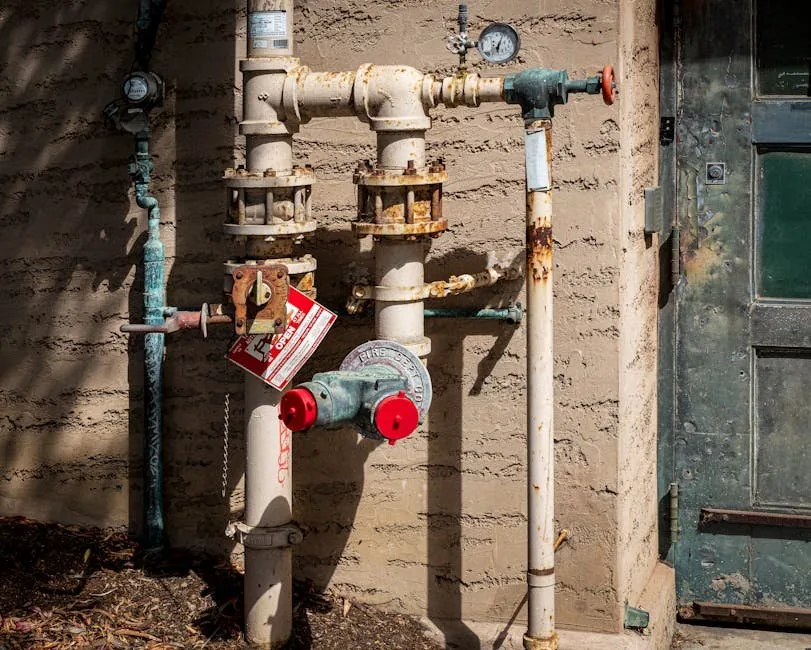
- Main water shutoff. Usually where the water line enters the house, in a garage or crawlspace, or near the meter. On a private well, know where the pump and pressure tank controls are.
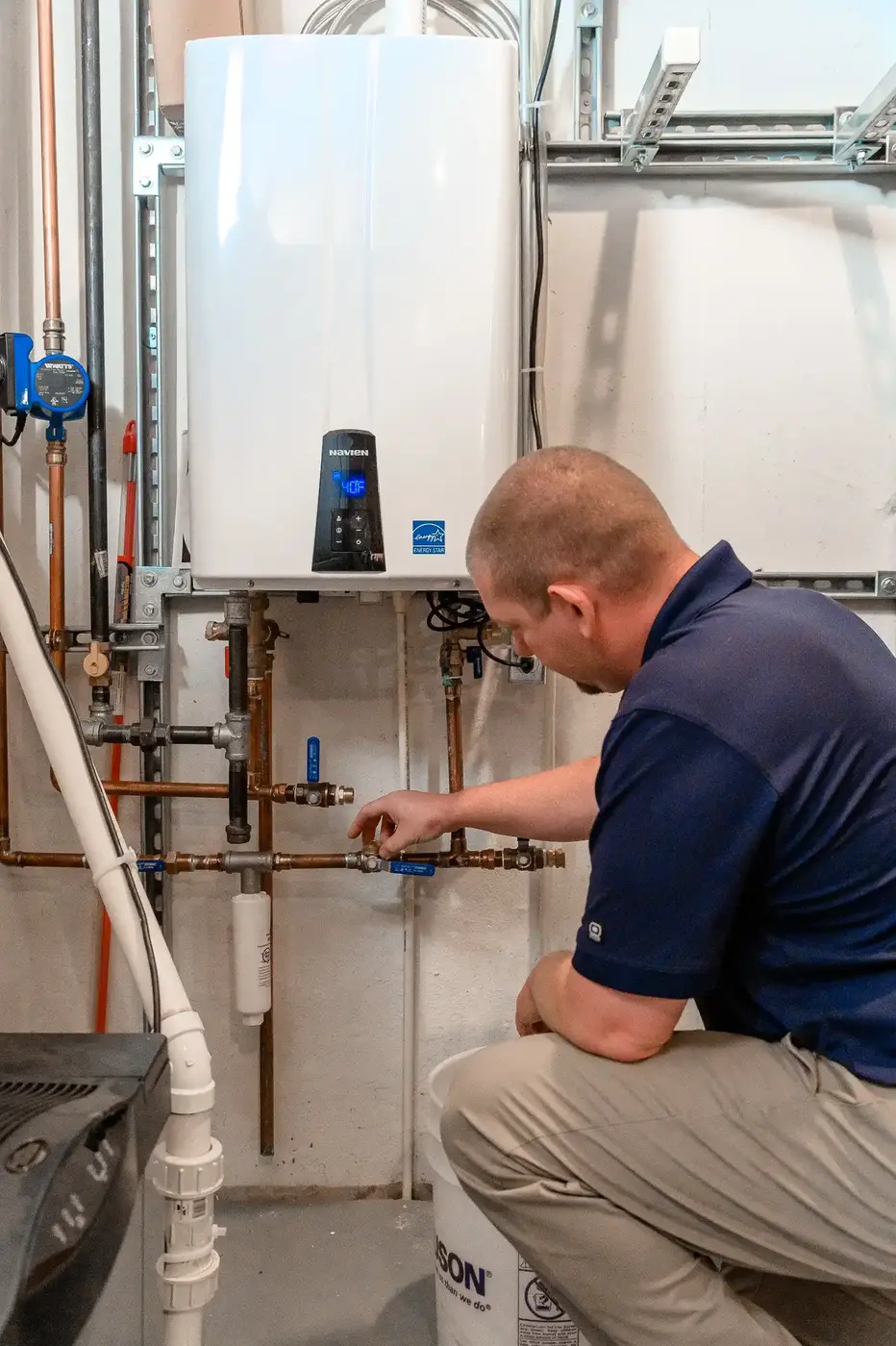
- Water heater shutoff. The cold supply valve above the tank or tankless unit.
- Fixture stops. The small valves under sinks and behind toilets.
Valves that never move can seize. Turning serviceable valves closed and open again once or twice a year keeps them usable. If a valve is stuck, weeps when you turn it or will not shut off fully, have it replaced rather than forcing it.
Check for hidden leaks
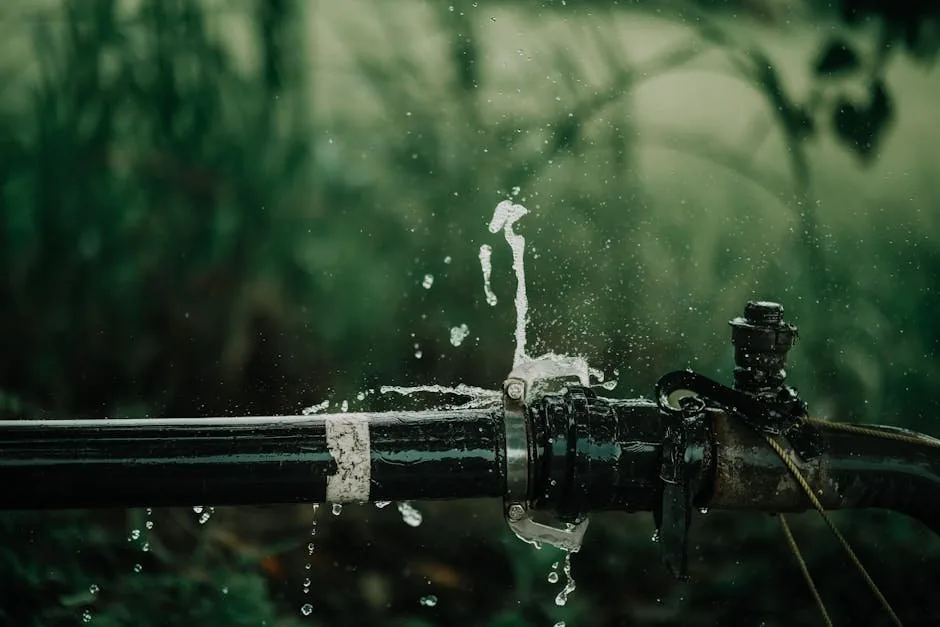
Leaks are the most common and most avoidable source of wasted water and water damage. According to the U.S. EPA WaterSense program, the average household's leaks can waste more than 9,300 gallons a year, and nine percent of homes have leaks that waste 50 gallons or more per day. Worn toilet flappers, dripping faucets and leaking valves are the usual causes.
EPA suggests two simple checks:
- Meter test. Read your water meter, use no water for two hours, then read it again. If it moved, you probably have a leak.
- Toilet dye test. Put a few drops of food coloring in the toilet tank. If color shows up in the bowl within 10 minutes without flushing, the flapper is leaking. Flush afterward so the dye does not stain.
Also look for water on the outside of faucet bodies and pipe fittings, stains on ceilings or under sinks, and warm spots on floors. If the meter says there is a leak but you cannot find it, leak detection can locate it without opening walls blindly. Our guide to signs of a hidden water leak covers more symptoms.
Watch water pressure
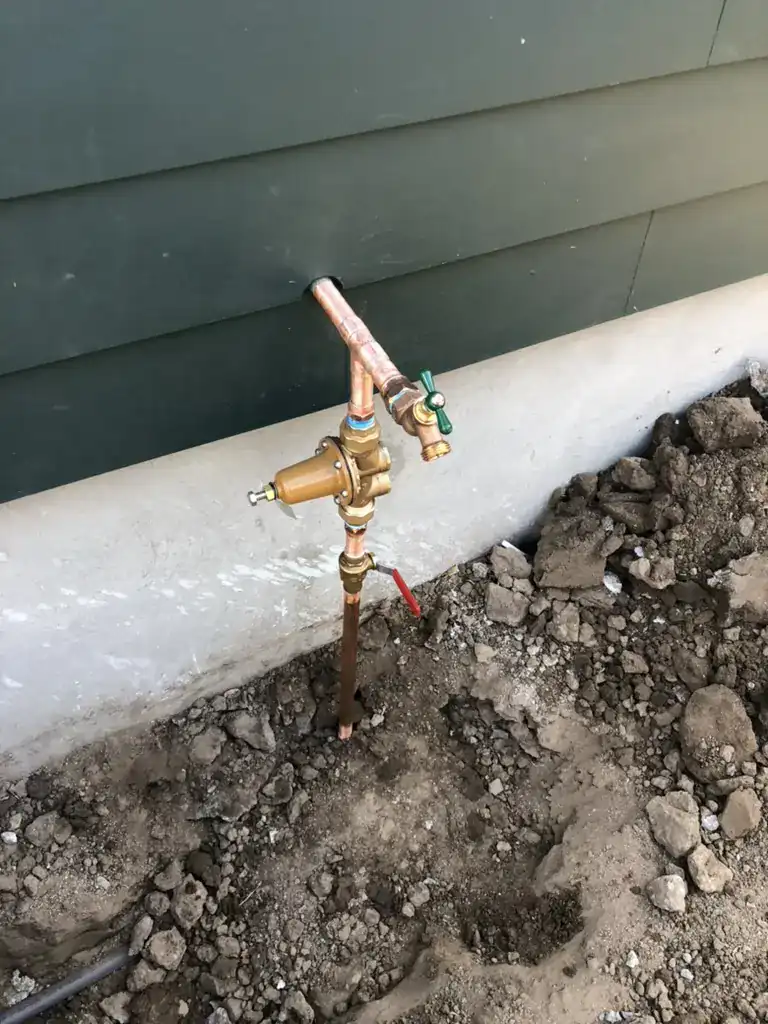
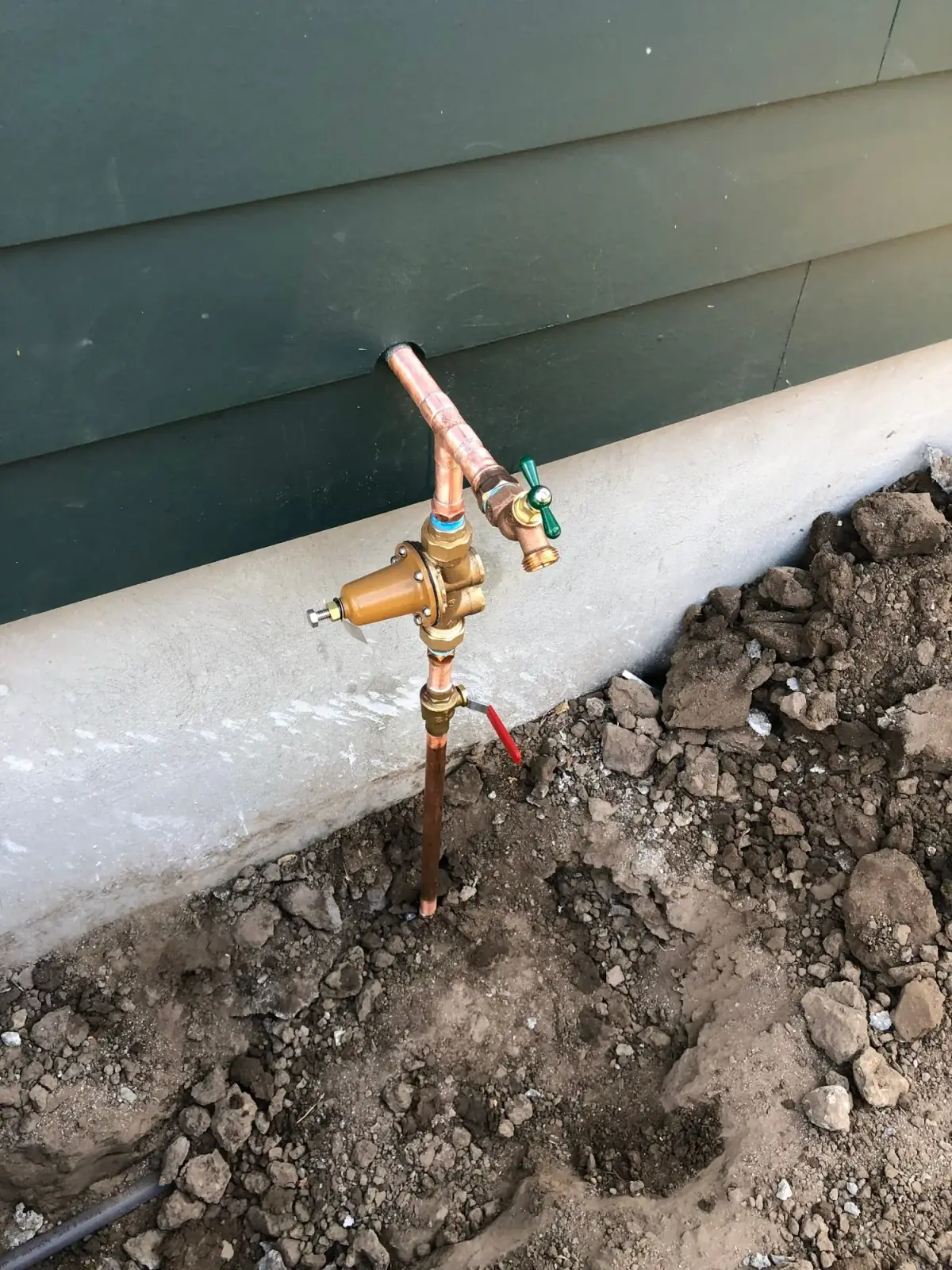
Pressure that is too high wears out faucet cartridges, toilet fill valves, appliance hoses and water heaters faster. Signs include banging pipes when valves close, toilets that run briefly on their own, and leaks at hose connections. A pressure regulator, if your home has one, can drift over time.
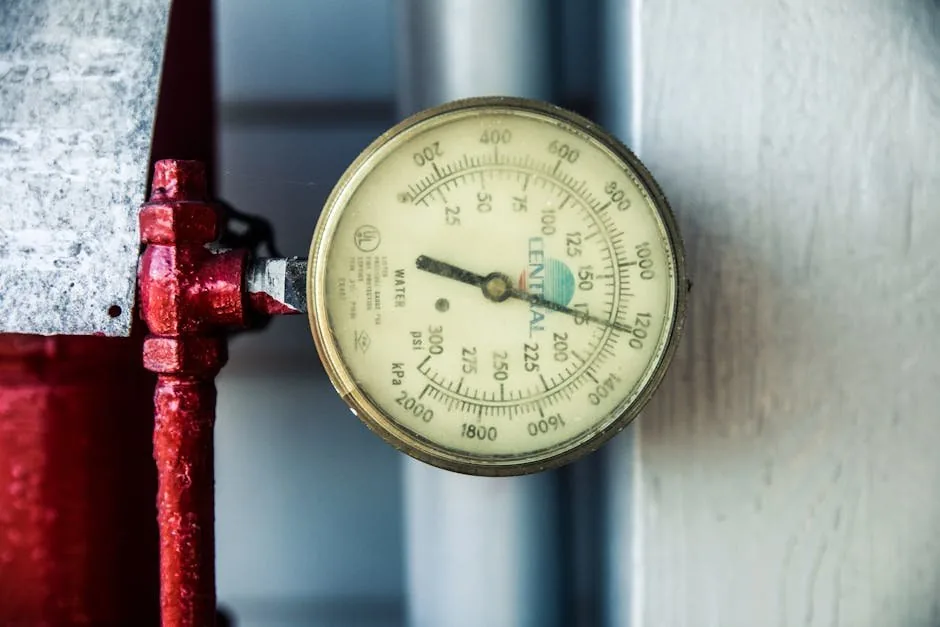
Pressure that drops can point to a failing regulator, a clogged filter or aerator, a partly closed valve, or a problem in the service line. Low pressure at one fixture is usually local. Low pressure everywhere deserves a closer look, especially in older homes with galvanized pipe. A plumber can test static pressure with a gauge at a hose bib in a few minutes.
Maintain the water heater
Follow the manufacturer's maintenance guidance for your model, which often includes periodic flushing to remove sediment and checking the anode rod on tank heaters. Between services, watch for:
- Rust or corrosion at the connections or on the tank
- Water in the drain pan or on the floor
- Discharge from the temperature and pressure relief valve
- Rumbling or popping sounds, which often mean sediment
- Error codes or uneven temperatures on a tankless unit
- Scorching, soot or a smell of gas near a gas water heater's burner or vent
A smell of gas or signs of venting problems need attention right away: leave the area and call your gas utility. For everything else, our guide on whether to repair or replace a water heater can help you decide, and we handle both tank and tankless installation.
Pay attention to drains
One slow sink is usually a local clog of hair, soap or food. Several slow fixtures at once, gurgling, or water coming up in a tub when a toilet flushes point to a problem farther down the main line.
- Keep grease, wipes, coffee grounds and fibrous food scraps out of drains.
- Use strainers in tubs and showers.
- Avoid repeated use of harsh chemical drain cleaners, which can damage pipes and, in septic homes, the bacteria the system relies on.
Recurring clogs deserve a diagnosis. Drain cleaning clears the line, and a sewer camera inspection shows whether roots, a sag or a broken pipe is the real cause. Our step by step guide covers clearing a clogged drain safely yourself.
Sewer lines and septic systems
Many Santa Cruz County homes, especially in the mountains and rural areas, are on septic rather than city sewer. If yours is, plumbing maintenance and septic care go together, since every gallon down the drain goes to the tank and drainfield. EPA recommends a septic inspection at least every three years for a typical household system, and yearly for systems with pumps, floats or other mechanical parts. Our septic maintenance guide and rainy season septic prep checklist cover the details.
On city sewer, the line from the house to the street is usually the owner's responsibility. A main line cleanout makes the line much easier to clear and inspect.
Inspect visible piping
A few times a year, look at the pipes you can see under sinks, in the garage, in the crawlspace and at the water heater. Watch for:
- Green or white crust at joints and valves
- Rust, flaking or pinhole leaks on older metal pipe
- Stains, damp insulation or musty smells
- Pipes that sag or are not supported
Small corrosion spots can be cleaned and watched. Active leaks or widespread corrosion are a sign it may be time for pipe repair or replacement.
Keep records
Save invoices, camera inspection videos, equipment model and serial numbers, permits and notes on where past repairs were made. A simple folder or phone album with photos of each water heater label and shutoff location speeds up diagnosis and helps when you sell the home.
A simple seasonal routine
- Spring: check outdoor faucets and irrigation for leaks after winter, and do a meter test.
- Summer: look over visible piping and the water heater, and test fixture shutoffs.
- Fall: clear gutters and point downspouts away from the house and any septic drainfield before the rains.
- Winter: protect exposed pipes on cold nights in higher elevations, and keep an eye on drains during long storms.
Sources
- U.S. EPA WaterSense, Fix a Leak Week: Checking for Leaks
- U.S. EPA, How to Care for Your Septic System
Need help with plumbing maintenance or repairs?
Wade's Plumbing & Septic serves homes across Santa Cruz County and nearby Santa Clara County communities. Quotes are free and pricing is flat rate, quoted on site before work begins. Request service or call during office hours, Monday to Friday, 9:00 AM to 5:00 PM.