Quick answer
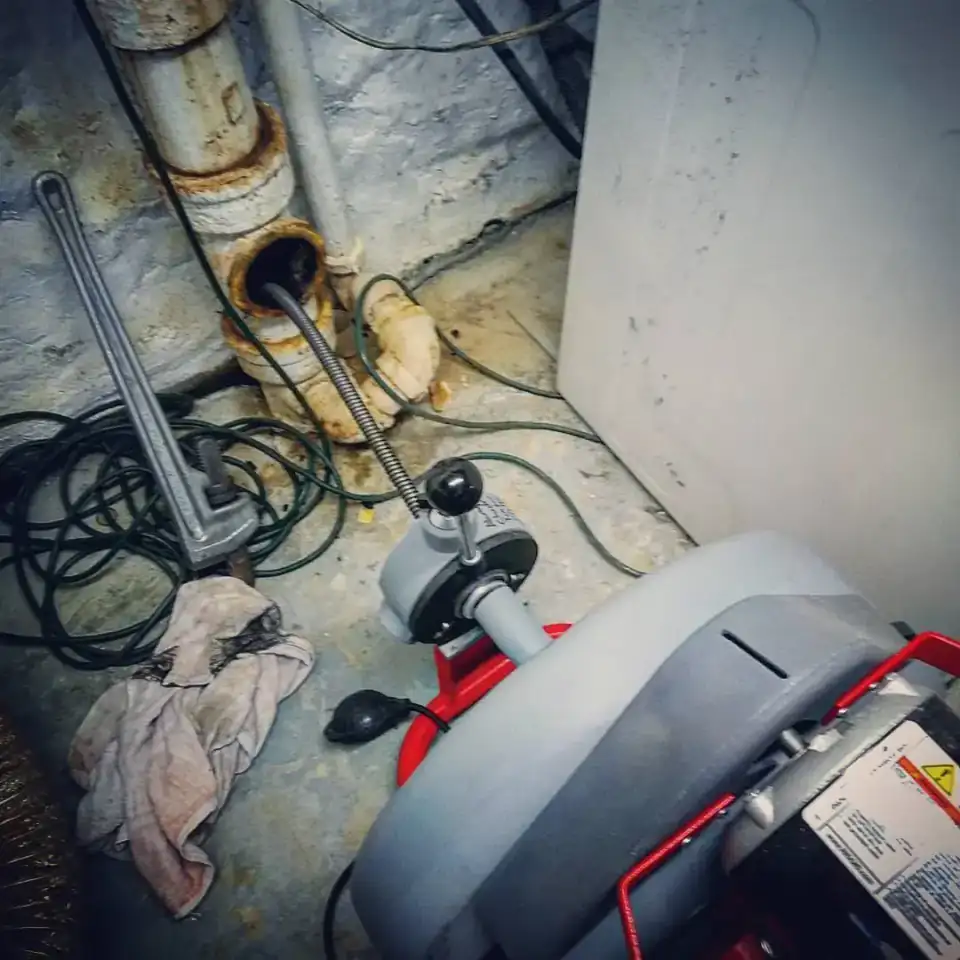
Hydro jetting cleans a drain or sewer line with a high pressure stream of water from a special nozzle. A drain snake punches a hole through a clog; a jetter scours the pipe wall, washing away the grease, scale, sludge and fine roots that cause clogs to come back. It works best on lines that are sound but dirty. It is the wrong tool for a pipe that is broken, collapsed or badly separated, which is why a camera inspection usually comes first.
- Good fit: recurring clogs, grease buildup, scale, sludge and root hair in a pipe that is otherwise intact.
- Poor fit: a cracked, crushed or collapsed pipe, which needs repair instead.
- A camera inspection shows which situation you have.
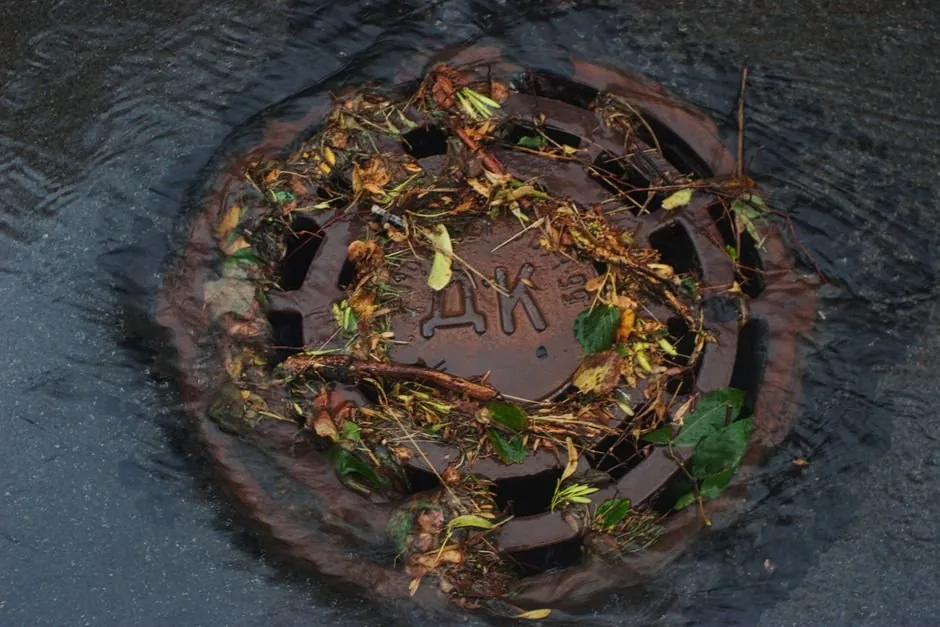
- Grease is a leading cause of sewer blockages, so what goes down the drain afterward matters as much as the cleaning.
How hydro jetting works
A jetter pushes water through a hose to a nozzle that sprays forward and backward. The forward jets cut through the blockage, and the rear jets pull the hose along while scrubbing the pipe wall and flushing debris downstream. The technician picks the nozzle and adjusts the pressure for the pipe size, material and condition.
Most jetting goes in through a cleanout, an access point on the drain line. If your main sewer line has no cleanout, adding one with a main line cleanout installation makes future cleaning and inspection easier.
Jetting or snaking?
| Drain snake | Hydro jetting | |
|---|---|---|
| What it does | Bores a hole through the clog | Scours the full pipe wall |
| Best for | A single soft clog close to the fixture | Grease, scale, sludge and root hair along the line |
| After the job | Buildup on the pipe wall can remain | Wall is washed and debris flushed out |
| Pipe condition needed | Works in most pipes | Pipe should be intact; inspect first |
For a one time clog in a bathroom sink, a snake is often all it takes. Our guide to clearing a clogged drain covers what you can try yourself first. When the same drain keeps clogging, or several fixtures back up at once, the problem is usually farther down the line, and that is where jetting earns its keep. See slow drain solutions for how to tell the difference.
When jetting is the wrong tool
Jetting cleans pipes. It does not fix them. A camera inspection before jetting, using a sewer camera inspection or drain line inspection, looks for:
- Breaks, cracks and separated joints. Water under pressure can wash soil into a broken pipe or make a weak spot worse.
- Collapsed or crushed sections. No amount of cleaning restores flow through a pipe that has caved in.
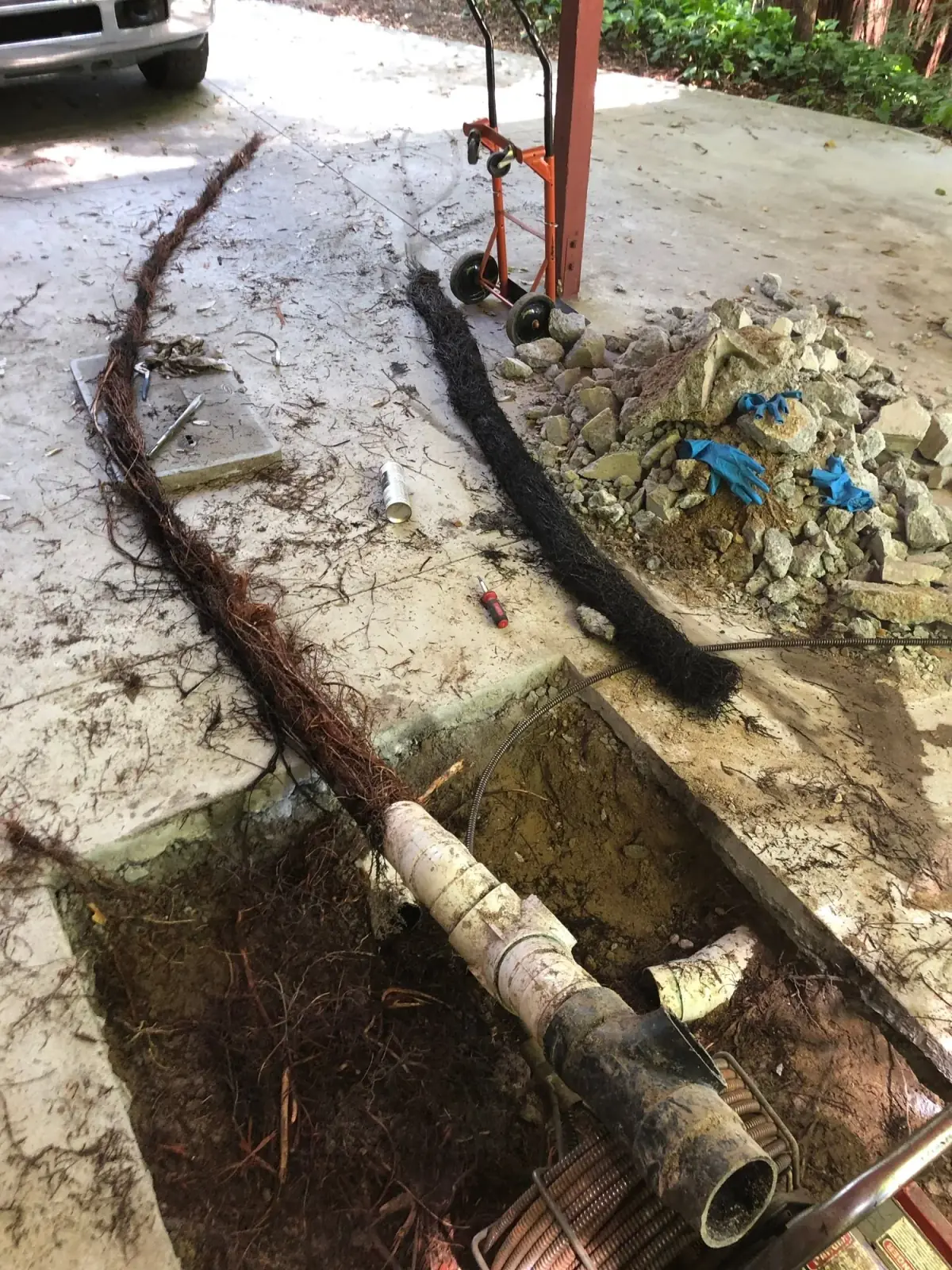
- Heavy root intrusion. Roots can be cut back, but the opening they grew through is still there, so they tend to return until the damaged section is sealed or replaced.
- Sags or bellies. Low spots collect solids and water. Jetting clears them for a while, but the low spot remains.
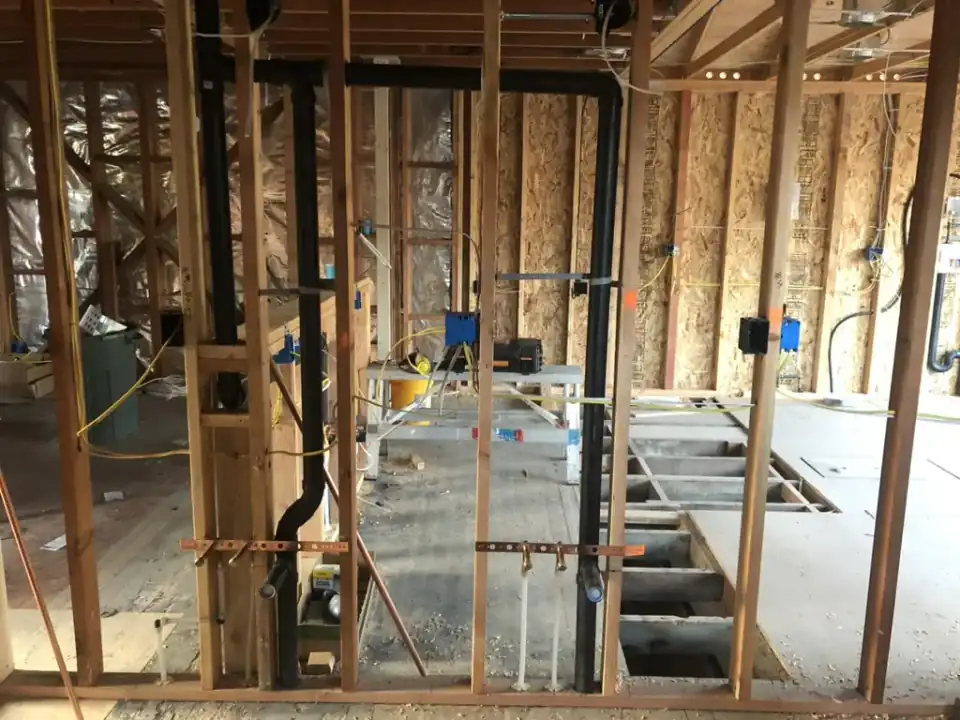
When the camera finds damage, the fix is pipe repair and replacement or trenchless sewer line replacement. Our post on sewer line repair essentials explains those options.
Grease: the clog that keeps coming back
Clemson University's Home and Garden Information Center notes that fats, oils and grease can solidify and build up inside underground sewer pipes, and it cites EPA in reporting that grease from restaurants, homes and industry is the most common cause of reported sewer blockages, at 47 percent. It also warns that hot water and soap do not get rid of grease, because it reforms and hardens farther down the pipe.
Locally, the Santa Cruz County Sanitation District asks residents to never pour fats, oil or grease down sink drains or toilets, because sewer spills pollute Monterey Bay and harm marine life. Its advice for the kitchen:
- Let grease cool, pour it into a covered disposable container, and put it in the garbage.
- Wipe or scrape pans and plates into the trash before washing.
- Do not push large amounts of food through the garbage disposal.
- Use sink strainers to catch food waste.
Jetting clears grease that has already built up. These habits keep it from building up again. The same goes double for the holidays; see our tips for avoiding holiday plumbing problems.
Homes on septic
On a septic property, grease and food waste that reach the tank add to the scum layer, and anything that escapes the tank can clog the leach field. EPA's septic care guidance recommends limiting the garbage disposal and keeping grease out of drains for that reason.
The pipe from the house to the tank can be jetted like any other drain line, and the lines beyond the tank have their own service: high pressure jetting for septic lines. Jetting does not replace regular septic tank service or inspection. If drains are slow throughout the house, a septic inspection helps sort out whether the problem is the line, the tank or the field. Our leach field repair guide covers the field side.
How often should a line be jetted?
There is no single schedule. A home that had one grease clog and changed its habits may never need it again. A line with roots near an old joint, or a long run with a slight sag, may need cleaning on a regular cycle until the pipe is repaired. Restaurants and other commercial kitchens are a different case; see commercial drain cleaning and grease trap cleaning.
The best guide is what the camera shows and how often the clog has come back.
Frequently asked questions
Is hydro jetting safe for older pipes?
It can be, if the pipe is intact. That is why the line is inspected first and the pressure and nozzle are matched to the pipe. A pipe that is cracked, collapsed or badly separated needs repair rather than jetting.
How is hydro jetting different from snaking?
A snake bores through the clog and leaves much of the buildup on the pipe wall. A jetter washes the wall and flushes the debris out of the line.
Will jetting get rid of tree roots for good?
No. Jetting can cut and flush root hair, but roots got in through a crack or joint, and they tend to come back until that opening is repaired.
Does hot water and dish soap keep grease from clogging pipes?
Not reliably. Clemson's Home and Garden Information Center notes that grease reforms and hardens farther down the pipe. The trash is the right place for it.
How is pricing quoted for hydro jetting?
Flat rate, quoted on site before work begins.
Sources
- Clemson Cooperative Extension, Home and Garden Information Center, F.O.G.: Fats, Oils and Grease Pollution
- Santa Cruz County Sanitation District, Fats, Oil and Grease
- U.S. EPA, How to Care for Your Septic System
Need a line cleaned or inspected?
Wade's Plumbing & Septic provides hydro jetting and drain cleaning across Santa Cruz County and nearby Santa Clara County communities. Quotes are free and pricing is flat rate, quoted on site before work begins. Request service or call during office hours, Monday to Friday, 9:00 AM to 5:00 PM.