Quick answer
Thanksgiving puts three loads on your plumbing at once: grease and food scraps from cooking, a disposal that runs far more than usual, and extra showers, toilets and laundry from overnight guests. The fixes are mostly habits. Keep grease out of the drain, send scraps to the trash instead of the disposal, and spread water use across the long weekend. On septic, those same habits protect the tank and drainfield.
- Pour cooled grease and oil into a covered container and put it in the trash.
- Scrape plates into the trash and use a sink strainer; go easy on the disposal.
- Spread laundry and dishwasher loads over several days instead of one.
- Fix a running toilet before guests arrive.
- Put a small trash can in every guest bathroom and tell guests only toilet paper goes in the toilet.
Grease: the biggest Thanksgiving clog
Turkey drippings, gravy, butter and fryer oil are liquid when hot and solid once they cool in the pipe. Clemson University's Home and Garden Information Center, citing EPA, reports that grease is the most common cause of reported sewer blockages, at 47 percent, and warns that hot water and soap do not get rid of it because it hardens again farther down the line.
The Santa Cruz County Sanitation District asks residents to never pour fats, oil or grease down sink drains or toilets, because sewer spills pollute Monterey Bay and harm marine life. Its guidance:
- Pour cooled fats, oils and grease into a covered, disposable container and throw it in the garbage.
- Soak up spilled oil and grease with an absorbent material such as paper towels, and put that in the garbage too.
- Do not push large amounts of food into the garbage disposal.
- Use sink strainers to catch food waste while washing dishes.
Before washing the roasting pan, wipe it out with a paper towel. For a turkey fryer, let the oil cool completely, then pour it back into its container or another sealed one for the trash.
Go easy on the disposal
Potato peels, celery, onion skins, pumpkin pulp and bones are some of the hardest things on a disposal and the drain behind it. Put scraps in the trash or compost, and run cold water while the disposal is on and for a few seconds after.
On septic, the disposal matters even more. EPA recommends eliminating or limiting garbage disposal use, because it adds fats, grease and solids to the tank, and says a tank serving a home with a disposal will need pumping more often.
Guests, bathrooms and water use
A full house for a long weekend sends a lot more water down the drains. For homes on septic, EPA notes that doing all the laundry in one day can harm the system, and that a single leaky or running toilet can add as much as 200 gallons of water per day. Before the holiday:
- Check toilets. Fix any toilet that runs or refills on its own. Our running toilet guide covers the usual causes.
- Stock guest bathrooms. A small lidded trash can, plunger and extra toilet paper prevent most problems. EPA's rule is that only human waste and toilet paper go in the toilet: no wipes, even ones labeled flushable, paper towels or feminine products.
- Plan the laundry. Wash towels and sheets before guests arrive and after they leave, not all on the same day.
- Space out showers and the dishwasher when you can, especially on septic.
Homes on septic in Santa Cruz County
Many homes in the Santa Cruz Mountains, the San Lorenzo Valley and rural parts of the county are on septic, and by late November the rainy season, which runs roughly November through April, is often underway. A drainfield in soil that is already damp from early storms has less room for extra water, so the holiday load and the rain stack up. Our rainy season septic prep checklist covers keeping roof water away from the drainfield.
Keep an eye out for these signs during and after the holiday:
- Slow drains in several fixtures at once
- Gurgling in toilets or drains when water runs elsewhere
- Sewage odors indoors or near the tank or drainfield
- Soggy ground or standing water over the drainfield
- A high water alarm, on systems with a pump
If you see them, cut back on water use and have the system checked. Our post on septic trouble signs explains each one.
If a drain clogs during the holiday
- Stop running water into a sink that is backing up, and turn off the dishwasher.
- Use a plunger, not chemical drain cleaner, especially on septic, where harsh chemicals can harm the bacteria in the tank.
- Do not keep running the disposal into a full sink.
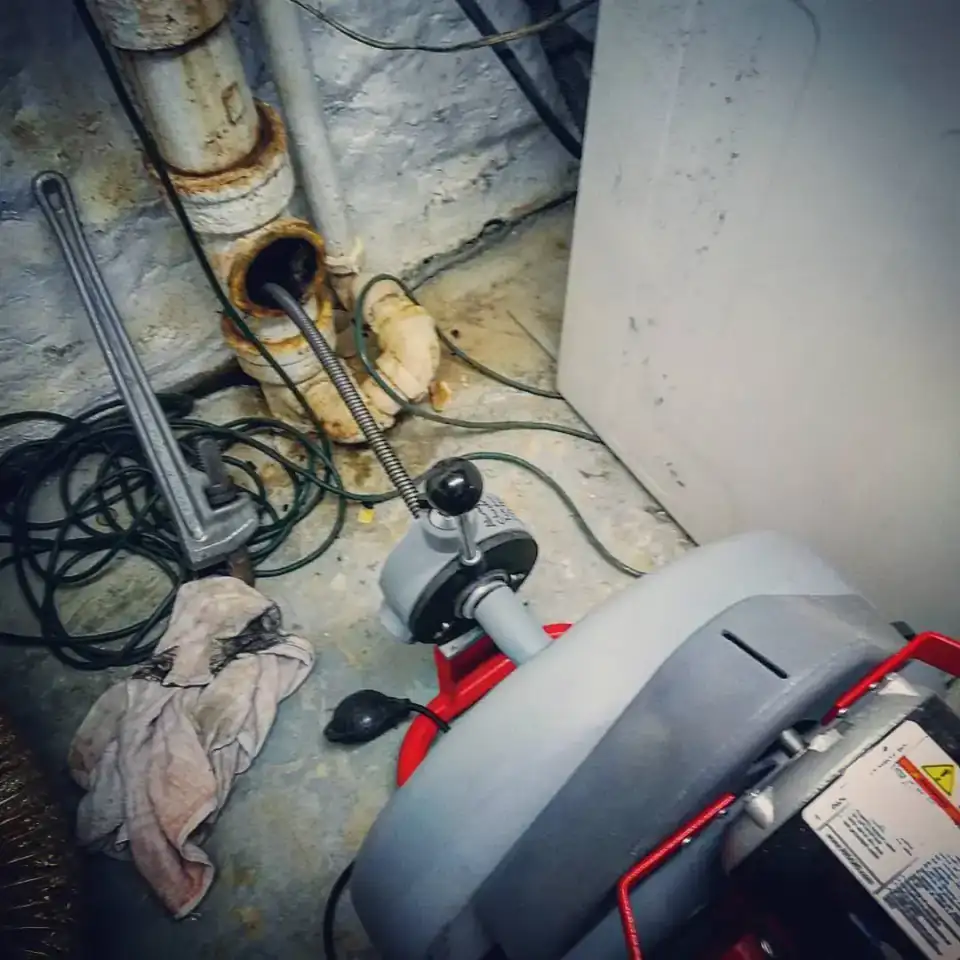
- If several fixtures back up, the problem is likely in the main line or, on septic, the tank or drainfield, not a single drain. Our clogged drain guide covers what you can safely try first.
Our office hours are Monday to Friday, 9:00 AM to 5:00 PM, so a quick check of slow drains or a running toilet the week before is worth it. Our holiday plumbing tips cover the rest of the season.
Frequently asked questions
Can Thanksgiving grease damage a septic system?
Yes. Grease adds to the scum layer in the tank, and grease that escapes the tank can clog the drainfield. EPA says to never pour cooking oil or grease down the drain. Let it cool, seal it in a container and put it in the trash.
Should I use the disposal for holiday scraps?
Sparingly. Peels, bones and fibrous vegetables are hard on disposals and drains, and on septic EPA recommends limiting disposal use. The trash or compost is the better place for most holiday scraps.
What clog signs show up during holiday cooking?
A kitchen sink that drains slower each time, gurgling when the dishwasher drains, or water backing up into the other side of a double sink. Several slow fixtures at once point to a main line or septic problem.
How do I prep bathrooms for overnight family?
Fix any running toilet, put a lidded trash can and plunger in each bathroom, and let guests know only toilet paper goes in the toilet.
When is a pre-holiday plumber visit worth it?
If a drain has been slow for weeks, a toilet runs, or your septic system has shown warning signs, it is worth having it looked at before the house fills up. Pricing is flat rate, quoted on site before work begins.
Sources
- Clemson Cooperative Extension, Home and Garden Information Center, F.O.G.: Fats, Oils and Grease Pollution
- Santa Cruz County Sanitation District, Fats, Oil and Grease
- U.S. EPA, How to Care for Your Septic System
Need help before the holiday?
Wade's Plumbing & Septic provides drain cleaning, septic maintenance and care and septic inspections across Santa Cruz County and nearby Santa Clara County communities. Quotes are free and pricing is flat rate, quoted on site before work begins. Request service or call during office hours, Monday to Friday, 9:00 AM to 5:00 PM.