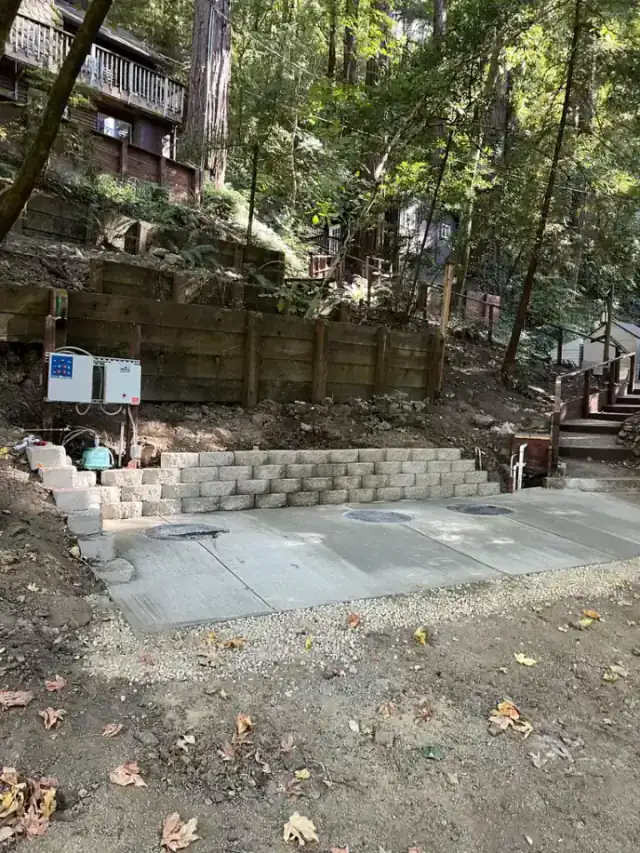
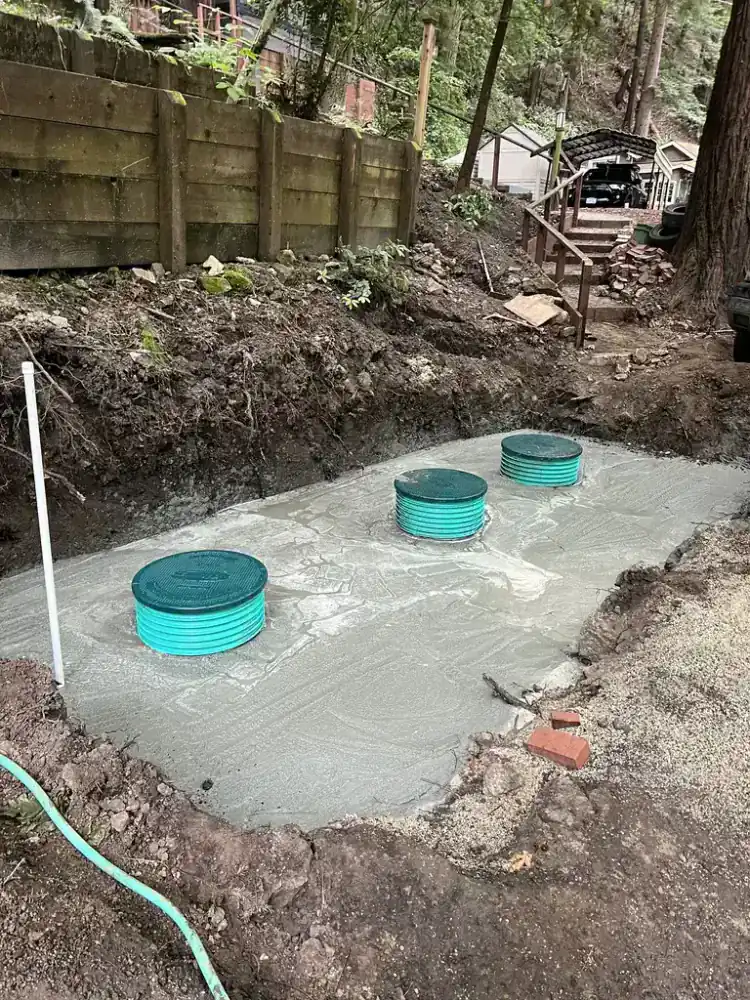
What to expect when a Santa Cruz County home needs a new or replacement septic system: county permitting through Environmental Health, working with an engineer, enhanced treatment units, and what Wade's installs.
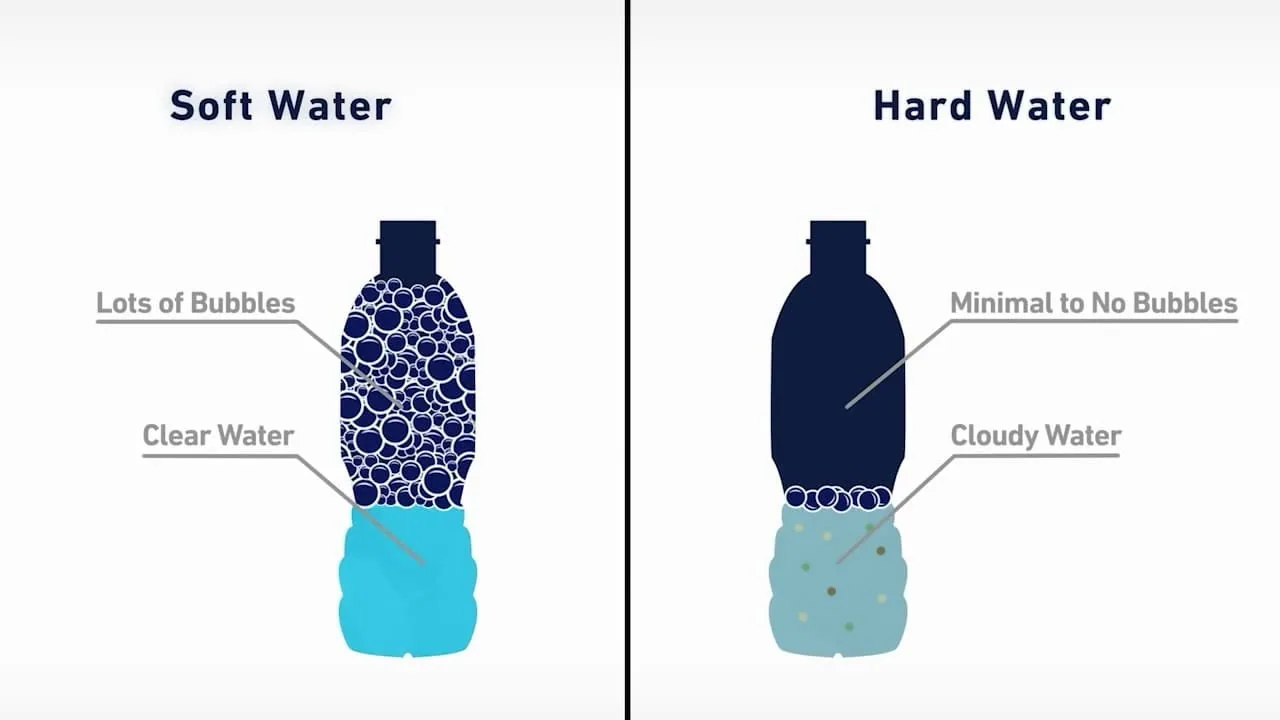
What makes water hard, how hardness is measured, how hard local water is in parts of Santa Cruz County, what it does to plumbing, and treatment options.
Learn how engineered septic systems work, compare treatment types, and review site conditions and maintenance considerations for Santa Cruz County homes.
How slopes, winter groundwater, fast or slow soils, streams and nitrate concern areas shape septic design in Santa Cruz County, based on the county sewage disposal ordinance and site evaluation rules.
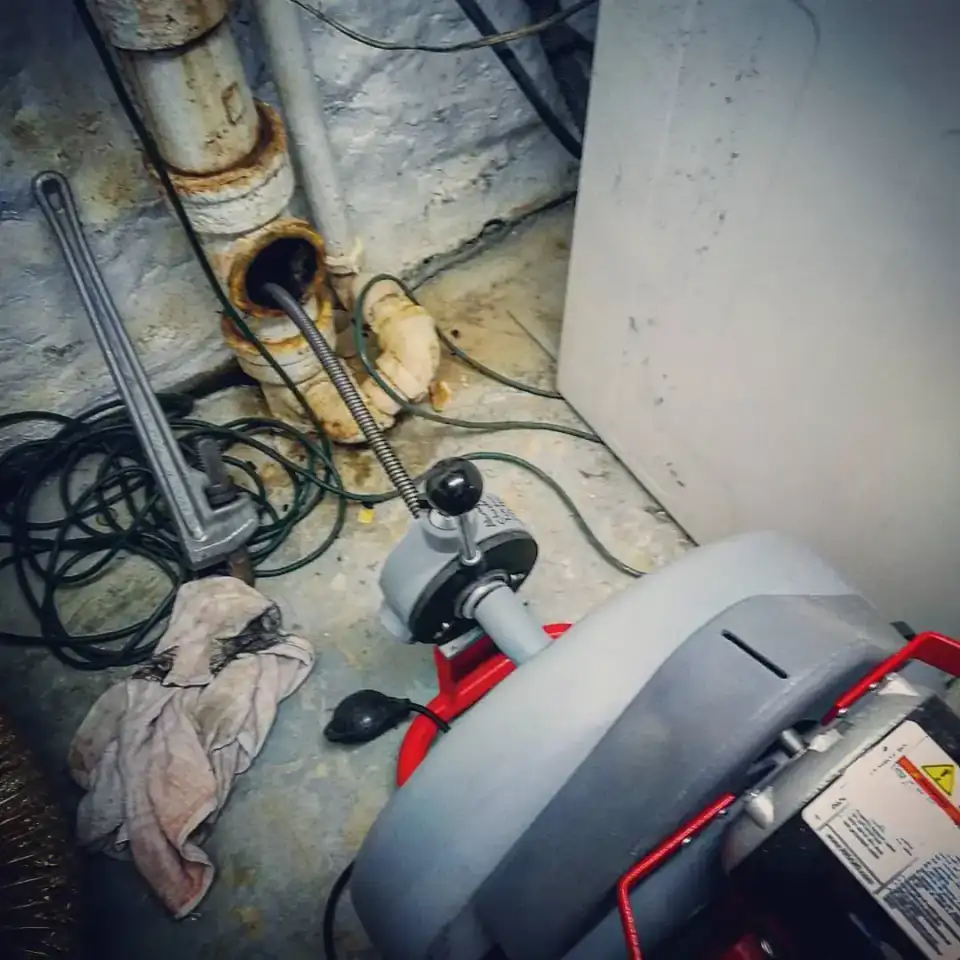
How to clear a clogged sink, tub or shower drain safely with a plunger, hot water or a hand snake, why EPA advises against chemical drain openers, and the signs that point to a main line or septic problem instead.
How to maintain a septic system in Santa Cruz County: EPA inspection and pumping intervals, water use, what never goes down the drain, drainfield care, the county rule on water softeners and the warning signs to watch for.
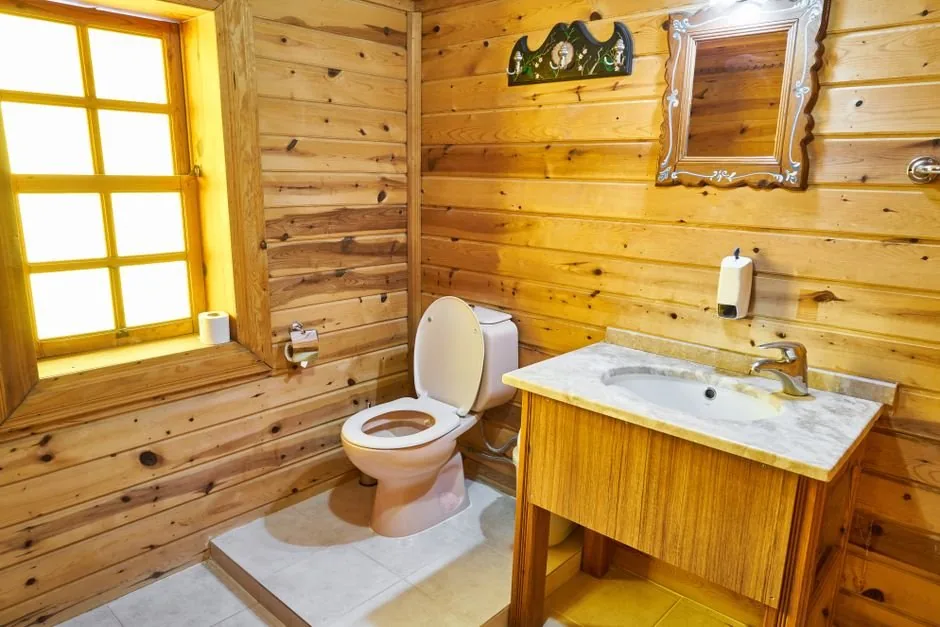
How to tell a toilet flange is failing, repair rings versus full replacement, step by step installation with manufacturer specs, and when to call a plumber.
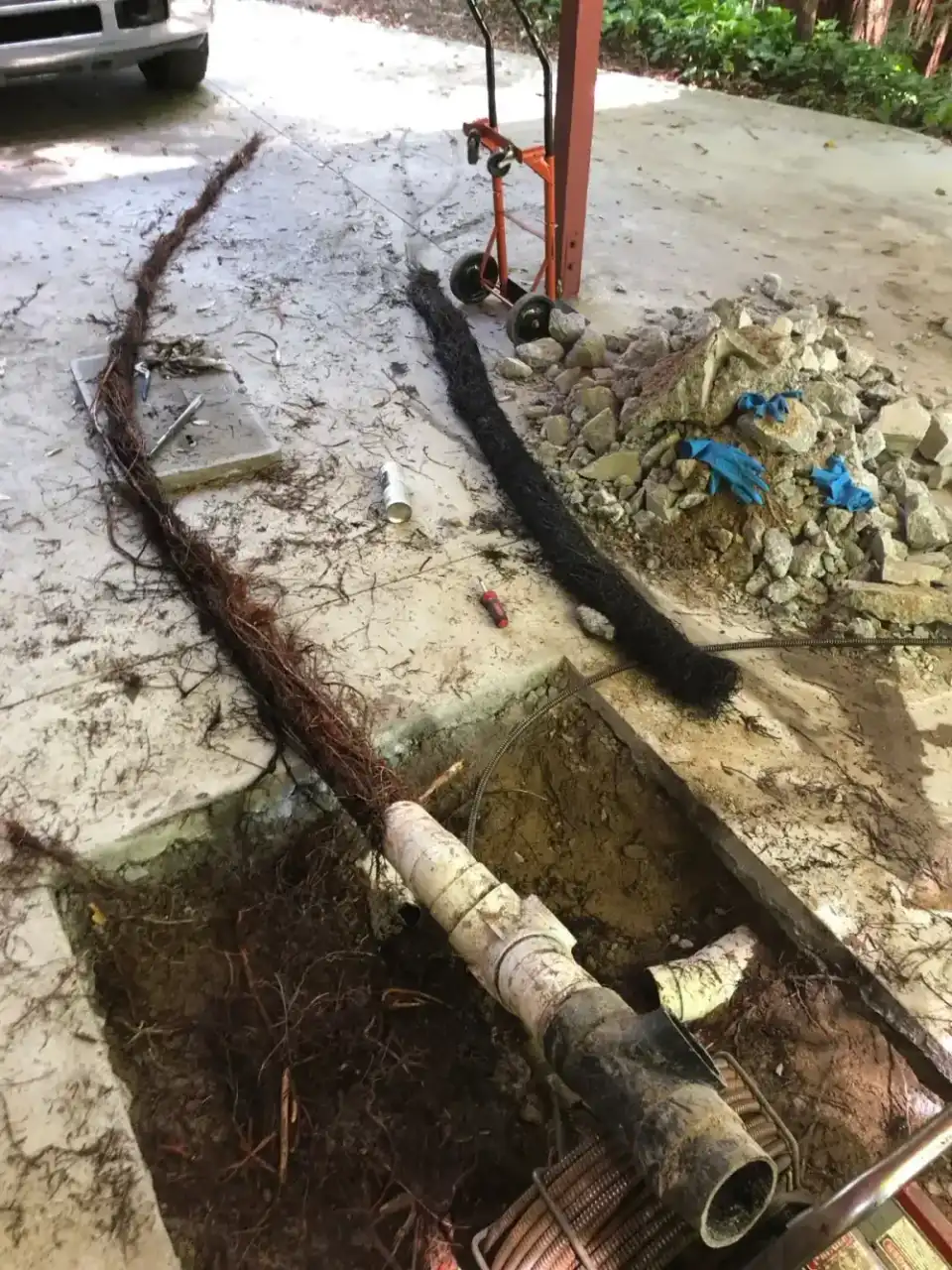
Dirty water rising in a shower or tub usually means a main line blockage. What causes it, what to do right away, and who is responsible for the sewer line.
How to choose a bathroom faucet that fits your sink, replace it step by step, check flow rate and lead free labels, fix common leaks, and know when to call.
How a leach field works, the warning signs of trouble, common causes and fixes, and how Santa Cruz County repair and upgrade rules affect a leach field repair.