Quick answer: The toilet flange is the fitting on the floor that the toilet bolts to and seals against. A rocking toilet, water around the base or a sewer smell are the usual signs it is broken or loose. If only the ring is damaged, a repair ring or extension kit can fix it without cutting the pipe. When replacing it, Oatey's installation guide says the flange should sit on top of the finished floor, be screwed through the flooring into the subfloor with corrosion resistant screws, have its bolt slots at the 3 and 9 o'clock positions, and get a new wax ring every time.
What a toilet flange does
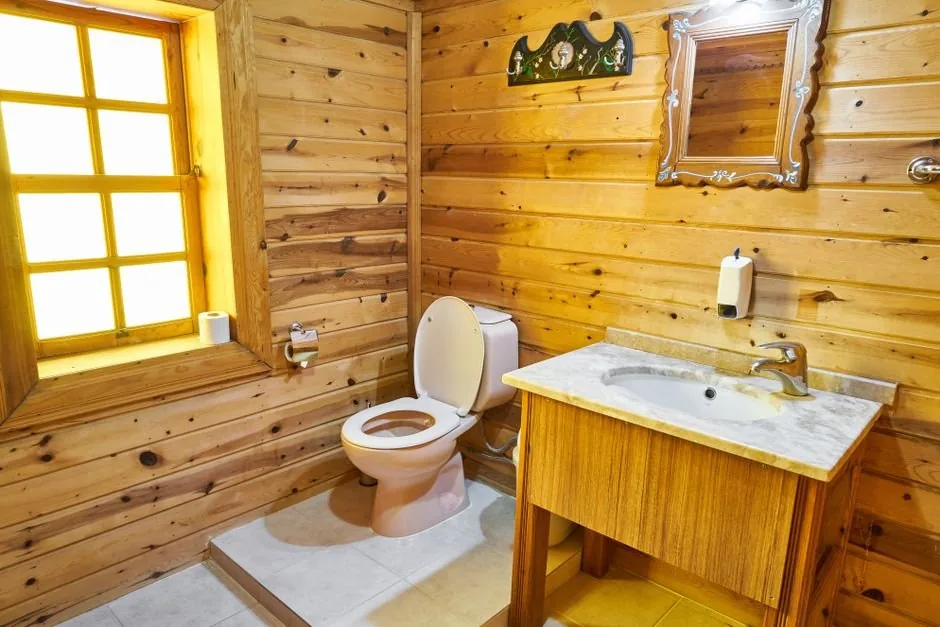
A toilet flange (also called a closet flange) is the round fitting on top of the drain pipe under the toilet. The closet bolts hook into its slots to hold the toilet down, and the wax ring seals between the flange and the toilet so water and sewer gas stay in the pipe.
Signs the flange needs attention
- The toilet rocks even after the bolts are snug.
- Water seeps around the base after flushing.
- A sewer smell near the toilet.
- Stained or soft flooring around the toilet, or a stain on the ceiling below.
- A bolt slot is broken and the bolt pulls free.
Repair or replace?
- Repair ring or extension kit. If the flange ring is cracked or broken but the pipe is fine, a metal repair ring screws down over it. If the flange sits too low after new flooring, an extension kit raises it. Oatey notes these let you retrofit without cutting into floors or ceilings.
- Full replacement. Needed when the flange or the pipe connection is badly damaged. A flange glued into plastic pipe usually has to be cut out from inside the pipe, which is a good point to call a plumber if you are unsure.
Step by step replacement
- Gather tools and parts: new flange, new wax ring, closet bolts, corrosion resistant screws, putty knife, adjustable wrench, rags, and a bucket. For plastic pipe you may need primer and solvent cement.
- Remove the toilet. Turn off the water at the valve, flush and sponge out the remaining water, disconnect the supply line, remove the nuts at the base, and lift the toilet straight up onto a towel.
- Clean and inspect. Scrape off the old wax, stuff a rag in the pipe to block sewer gas, and check the pipe and subfloor for damage or rot.
- Remove the old flange (for a full replacement). Unscrew it from the floor. A glued flange has to be cut out of the pipe.
- Dry fit the new flange. Turn it so the bolt slots sit at the 3 and 9 o'clock positions, parallel to the wall behind the toilet, and mark the position. Oatey warns a cemented flange cannot be repositioned once the cement sets.
- Set the height. The flange should sit on top of the finished floor. Oatey warns that a flange below the floor leads to poor wax ring compression and leaks; if it ends up flush or slightly low, use a thicker wax ring or flange spacers.
- Fasten it down. Screw the flange through the finished floor into the subfloor with stainless or corrosion resistant screws, or use concrete anchors on a slab. Oatey says never to rely on a friction fit alone.
- Reset the toilet. Put the bolts in the slots, place a new wax ring on the flange (never reuse the old one), lower the toilet straight down onto the bolts, press it down evenly, and tighten the nuts a little at a time on each side. Reconnect the water and check for leaks.
Do not overtighten the toilet bolts. A porcelain base can crack.
Frequently asked questions
Should the flange sit on top of the finished floor?
Yes. Oatey's guide says the flange should sit on top of the finished floor. If it is flush or slightly below, use a thicker wax ring or flange spacers.
Do I put the wax ring on the flange or the toilet?
Oatey's guide places the new wax ring on the flange before setting the toilet. Never reuse an old wax ring.
Can I fix a broken flange without replacing it?
Often, yes. A repair ring or extension kit can fix a cracked or low flange without cutting the pipe, as long as the pipe itself is sound.
Sources
- Oatey (manufacturer), How to Install a Toilet Flange
Need help with a toilet flange?
Wade's Plumbing & Septic handles toilet repair and toilet installation across Santa Cruz County and nearby Santa Clara County communities. Quotes are free and pricing is flat rate, quoted on site before work begins. Request service or call during office hours, Monday to Friday, 9:00 AM to 5:00 PM.