When floodwater or a high water table saturates the soil, a septic drainfield cannot take water and treat it. Wastewater that goes down the drain then has nowhere to go, and sewage can back up into the house. The U.S. EPA's guidance for flooded septic systems comes down to three points: use the system as little as possible while the ground is saturated, do not open or pump the tank until the soil drains, and have the system checked once the water is gone. For getting ready before the storms, see our rainy season septic and drain prep guide.
While the ground is flooded
- Use as little water as you can. EPA says the only way to prevent a backup when the water table is high is to relieve pressure on the system by using it less. Wastewater that reaches a flooded drainfield is not treated.
- Do not pump the tank. Pumping a tank in saturated soil is at best a temporary fix. At worst, groundwater pressure can push the empty tank up out of the ground and damage the inlet and outlet pipes. Newer systems can float more easily because the soil around them has not fully settled.
- Do not dig or drive over the system. Saturated soil compacts easily, and compaction reduces the drainfield's ability to treat wastewater.
- Keep floodwater out of the drains. Do not pour floodwater from the house into sinks or toilets. EPA notes that floodwater passed or pumped through the tank raises flows and can push solids out to the drainfield, which clogs it. A sump pump should discharge away from the septic system, not into it.
- Stay away from flooded electrical parts. Systems with pumps, alarms or treatment units have electrical and mechanical parts. Avoid touching them until they are dry and clean.
After the water goes down
EPA lists these steps once floodwater recedes:
- Wait for the drainfield to drain. Do not use the system until water in the drainfield area is lower than the water level around the house.
- Test your well before drinking from it. If your home has a private well, contact the county health department about testing.
- Check electrical connections for damage before turning power back on to pumps or alarms.
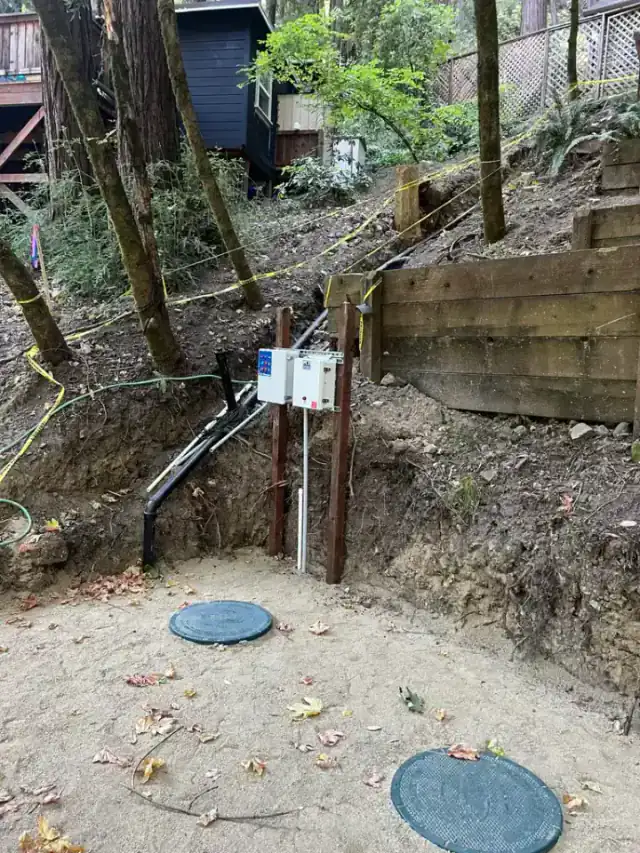
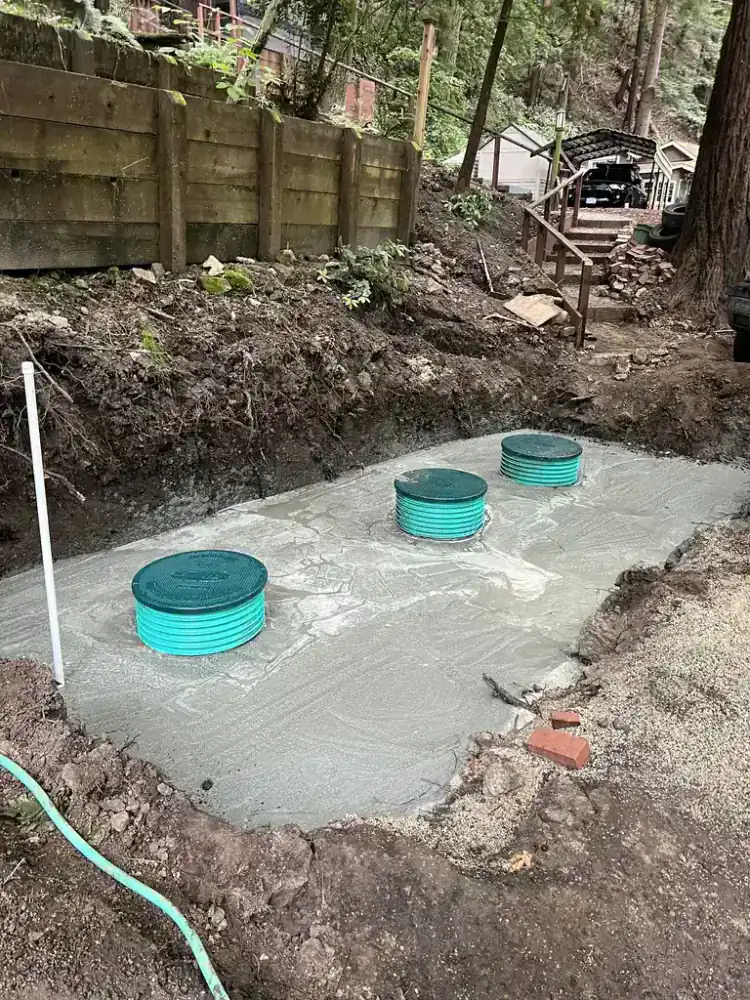
- Look at the lids and ports. Make sure the tank's manhole cover is secure and inspection ports are not blocked or damaged.
- Have the tank inspected if you suspect damage. Signs include settling or a system that will not take water. Most buried tanks are not damaged by flooding, but tanks and pump chambers can fill with silt and debris.
- Have silt pumped out once the soil has drained. EPA recommends pumping both the tank and any pump chamber after a flood to remove silt before it reaches the drainfield. Wade's does not pump tanks, so book a licensed pumping company. Santa Cruz County Environmental Health keeps a list of registered liquid waste haulers.
- Repair the ground cover. Fix erosion over the tank and drainfield and reseed bare areas with grass.
Flooding can also lift the floating scum layer in the tank and partly plug the outlet. If the system backs up into the house after a flood, EPA suggests checking the tank outlet first. Treatment units and media filters tend to clog with mud and sediment and need to be cleaned. If the drainfield itself is clogged with silt, it may need to be replaced. Only trained specialists should open or work in a septic tank because tanks can hold dangerous gases.
If sewage backed up into the house
Clean the area and disinfect the floor. EPA suggests a solution of half a cup of chlorine bleach per gallon of water. If a home business sends chemicals into the system, take extra care to avoid skin, eye and breathing contact, and ask the state or EPA about cleanup.
FAQ
Should I pump my septic tank during a flood?
No. Pumping a tank while the soil is saturated is only temporary and can cause the tank to float out of the ground. Wait until the soil drains, then have it pumped to remove silt.
When can I use my septic system again after a flood?
When water in the drainfield area is lower than the water level around the house. Until then, use as little water as possible.
Are septic tanks damaged by floods?
Most buried tanks are not, but tanks and pump chambers can fill with silt and debris, and drainfields can clog. Have the system inspected if it settles or will not take water.
How is septic service priced?
Flat rate pricing, quoted on site before work begins.
Sources
- U.S. EPA, Septic Systems: What to Do after the Flood
- Santa Cruz County Environmental Health, Qualified Professionals
Need a septic check after a storm?
Wade's Plumbing & Septic provides septic troubleshooting, septic inspections and septic alarm installation across Santa Cruz County and nearby Santa Clara County communities. Quotes are free and pricing is flat rate, quoted on site before work begins. Request service or call during office hours, Monday to Friday, 9:00 AM to 5:00 PM.