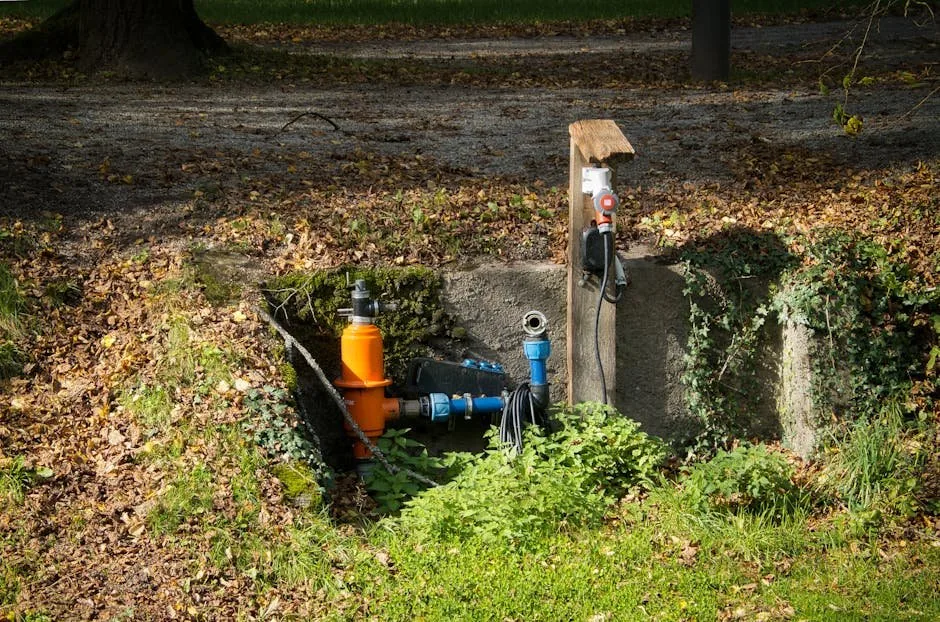
Septic care does not need to happen every season, but timing matters in Santa Cruz County. The county treats October 15 through April 15 as the rainy season for septic installation work. Saturated soil makes a drainfield work harder, and wet ground is the wrong time to dig or pump. Planning inspections, repairs and upgrades around the weather avoids trouble. For the full maintenance routine, see our septic system maintenance guide.
The baseline: what EPA recommends year round
- Inspection. EPA says a typical household system should be inspected by a septic service professional at least every three years. Systems with pumps, float switches or other mechanical parts should generally be inspected once a year, and a service contract is important for them.
- Emptying the tank. Household tanks are typically pumped every three to five years, depending on household size, the amount of wastewater, the solids in it and the tank size. The inspector measures the scum and sludge layers to decide. Wade's does not pump tanks, so book a licensed pumping company when it is time.
- Records. Keep a record of each inspection, the sludge and scum levels, and any repairs.
Late summer and early fall: get ready for the rains
This is the best window for anything that involves digging or opening the system.
- Schedule inspections and repairs while the soil is dry. Dry ground is easier to work in. If an installation or replacement will leave bare soil, doing it before October 15 also avoids the county's rainy season erosion control requirements, which apply through April 15.
- Check lids, risers and the effluent filter. Loose lids let rainwater into the tank, and a clogged effluent filter can back up into the house during heavy use.
- Test pumps and alarms. If your system has a pump tank, make sure the high water alarm works before storms arrive.
- Redirect water away from the drainfield. EPA says to keep roof drains, sump pumps and other rainwater drainage away from the drainfield, because extra water slows or stops treatment. Fall is a good time to check gutters and downspouts.
Our rainy season septic and drain prep guide has a full walk around checklist.
Winter: go easy on the system
- Spread out water use. EPA recommends spreading laundry through the week instead of doing it all in one day, which can flood the drainfield. This matters most when the soil is already wet.
- Fix leaks and running toilets. EPA notes that one leaky or running toilet can add as much as 200 gallons a day, all of which goes to the septic system.
- Watch for warning signs. Slow drains, gurgling, odors or soggy ground over the drainfield after storms can point to a problem. Our post on septic trouble signs explains what each can mean.
- If the ground floods, use as little water as you can and do not pump the tank. Our flood safety guide covers what to do during and after flooding.
- Plan ahead for new systems. When the county requires it, the seasonal high water table for a new system is observed during the rainy season, after enough rain has fallen. If you are planning a new system or a major upgrade, the qualified professional may need to observe groundwater during the winter. Our guide to how Santa Cruz County terrain affects septic systems explains the rule.
Spring: check how the system came through the winter
- Walk the drainfield. Look for soggy spots, odors or unusually green patches once the rain stops.
- Repair erosion and bare spots. Reseed bare soil over the tank and drainfield with grass, which EPA recommends after flooding. Grass cover helps protect the drainfield.
- Schedule any repairs that waited for drier ground. County rules call for bare soil from septic installation work done between October 15 and April 15 to be seeded and mulched or otherwise protected, and Environmental Health will not final a permit in that period until erosion control is in place.
Summer: plant and park with care
- Keep vehicles off the drainfield. EPA says not to park or drive on it.
- Plant trees well away from the system. Roots can grow into pipes and the drainfield. A septic professional can advise on distance for your layout.
- Watch guest season loads. Extra people in the house mean extra wastewater, so spread out laundry and dishwashing.
FAQ
When is the best time of year for septic work in Santa Cruz County?
Late summer and early fall, while the soil is dry and before the county's October 15 to April 15 rainy season. Wet ground makes digging harder, and installation work that leaves bare soil in that period needs county erosion control measures.
How often should a septic system be inspected?
EPA recommends at least every three years for a typical household system and generally once a year for systems with pumps, floats or other mechanical parts.
Should I pump my septic tank before winter?
Only if an inspection shows the tank needs it. EPA says pumping depends on household size, wastewater, solids and tank size, and the inspector's sludge and scum measurements show when it is due.
How is septic service priced?
Flat rate pricing, quoted on site before work begins.
Sources
- U.S. EPA, How to Care for Your Septic System
- U.S. EPA, Septic Systems: What to Do after the Flood
- Santa Cruz County Environmental Health, Erosion Control Rainy Season Requirements
- Santa Cruz County Local Agency Management Program, Appendix A: Sewage Disposal Ordinance
Need a septic check this season?
Wade's Plumbing & Septic provides septic inspections, filter service and septic troubleshooting across Santa Cruz County and nearby Santa Clara County communities. Quotes are free and pricing is flat rate, quoted on site before work begins. Request service or call during office hours, Monday to Friday, 9:00 AM to 5:00 PM.