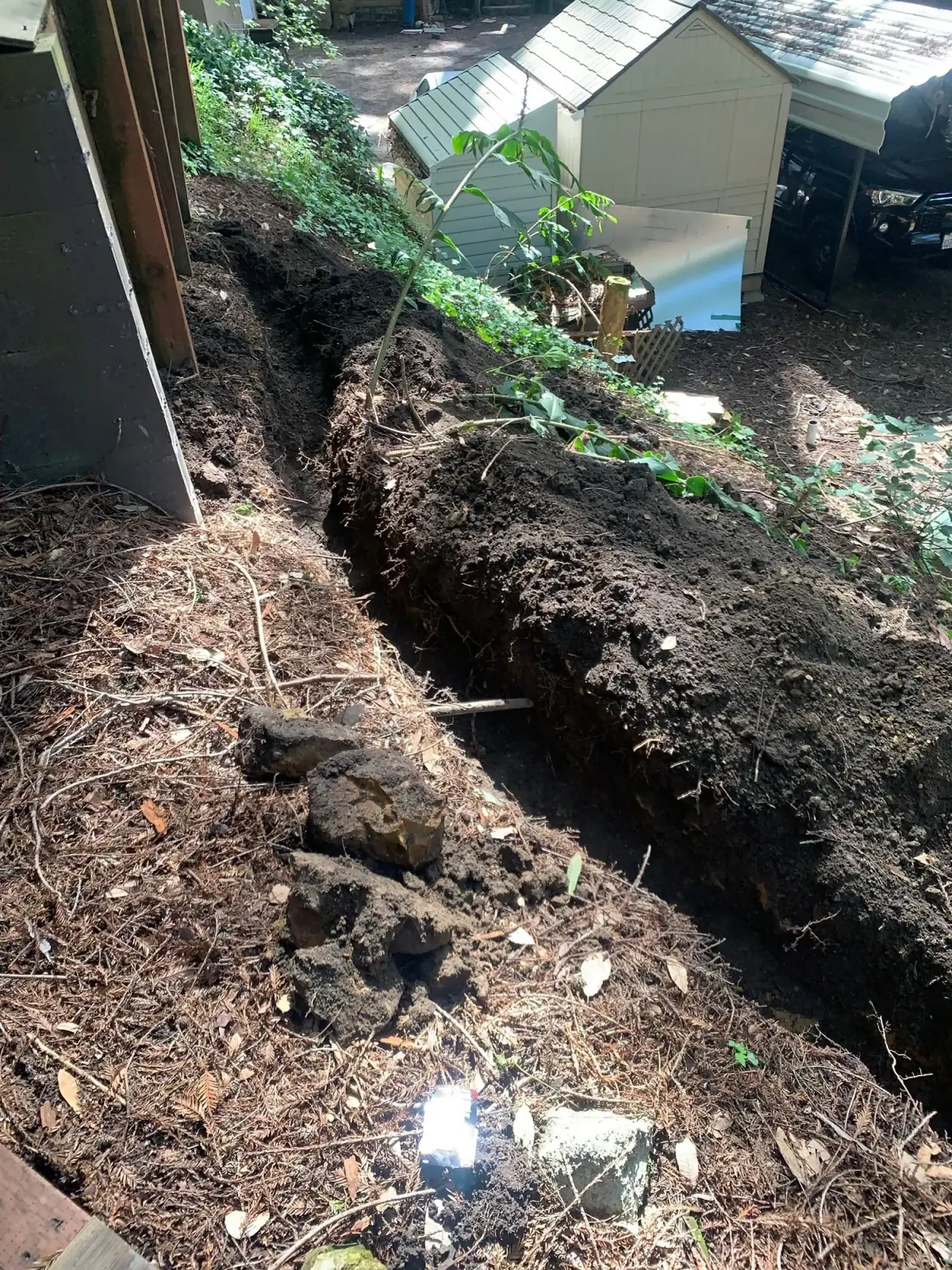
Quick answer: A drain field (also called a leach field) is the part of a septic system that releases treated liquid from the tank into the soil. The common signs of trouble are soggy ground or sewage on the surface over the field, an unusually green strip of grass, sewage odors in the yard, and slow drains or backups inside the house. EPA says an overloaded drain field can flood, sending sewage to the ground surface or back into toilets and sinks. If you see these signs, cut back on water use and have the system inspected.
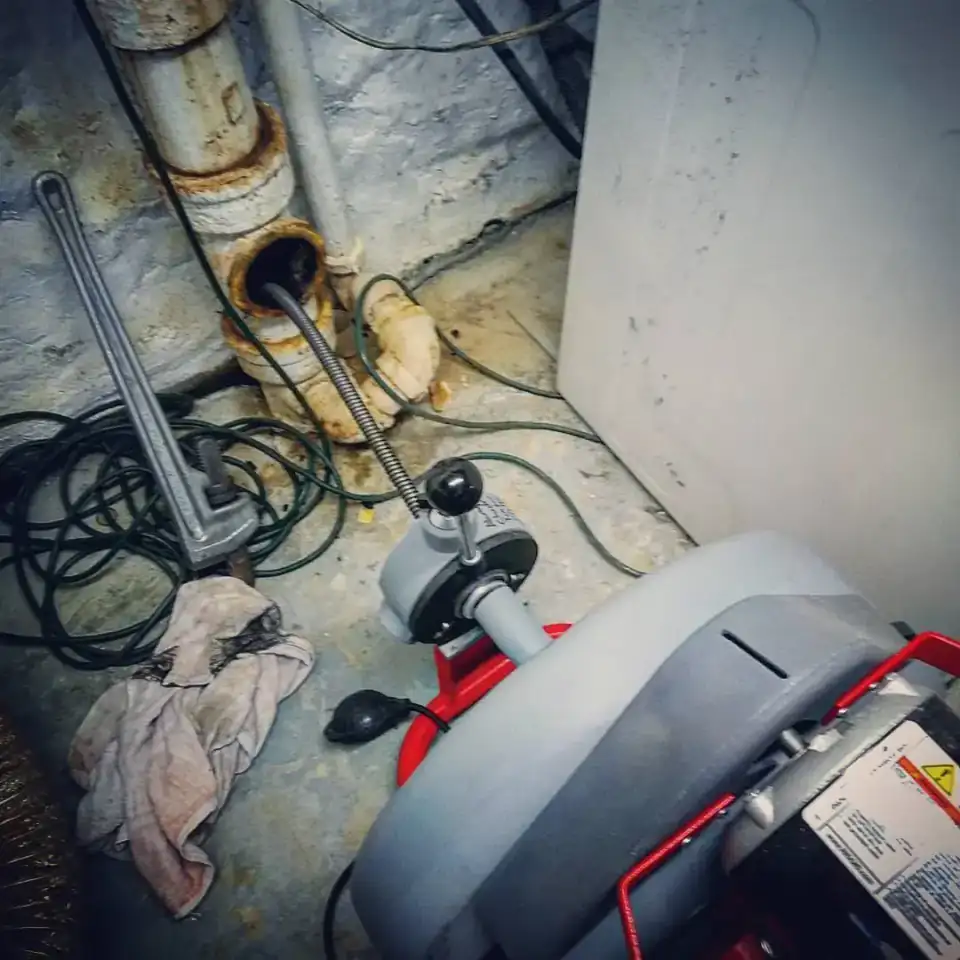
How a drain field works
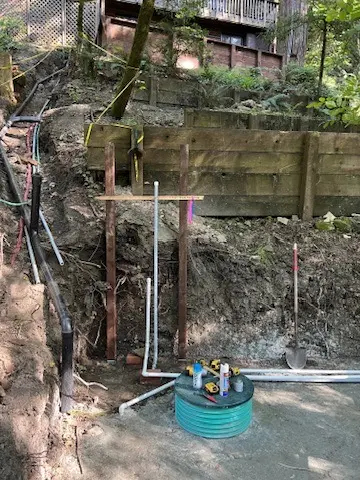
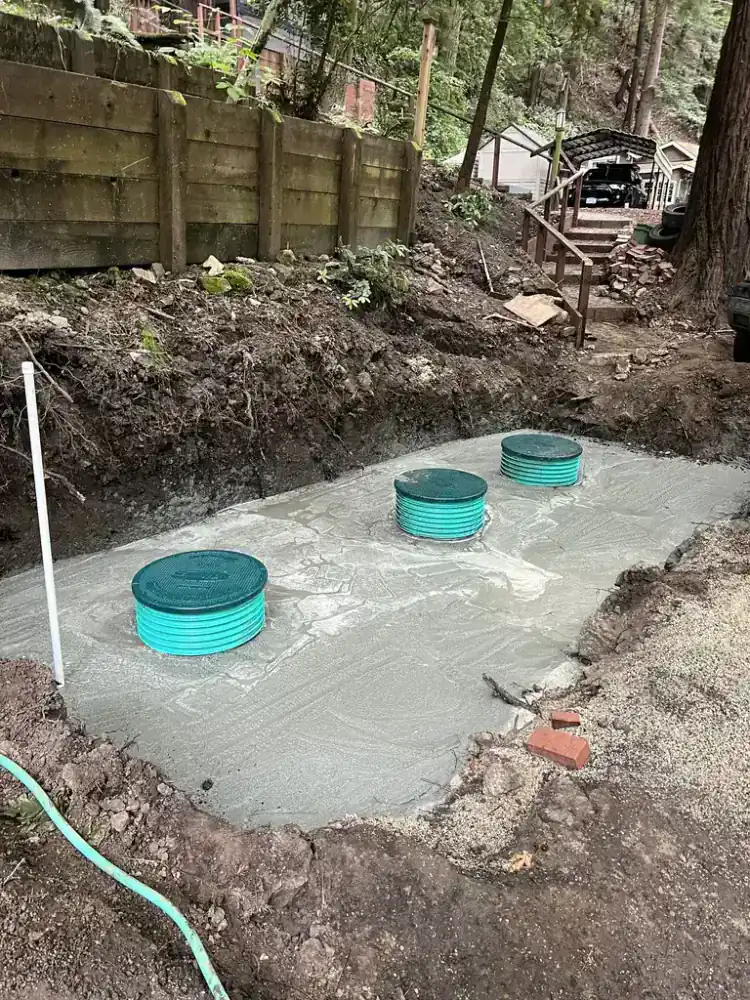
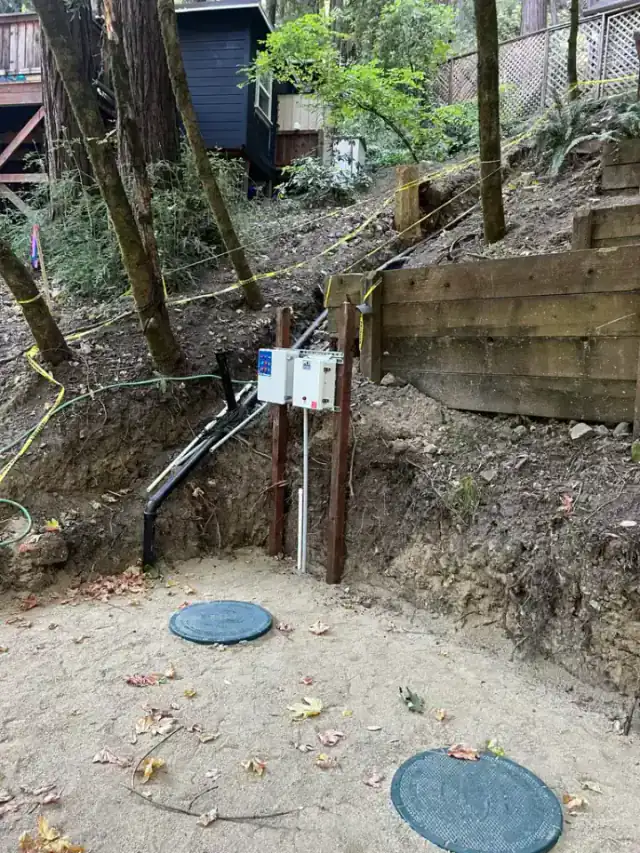
According to EPA, liquid leaving the septic tank flows into perforated pipes or chambers buried in a shallow, covered excavation in unsaturated soil. The soil accepts, treats and disperses that wastewater as it filters down, removing harmful bacteria, viruses and nutrients before the water reaches groundwater.
That treatment depends on the soil having room to take water. When the field is saturated, clogged or overloaded, wastewater has nowhere to go.
Signs your drain field is struggling
- Soggy ground or standing water over the drain field, especially in dry weather.
- Sewage on the surface, or dark, wet patches near the field.
- A bright green strip of grass over the field. Wastewater carries nutrients that can act like fertilizer.
- Sewage odors in the yard near the tank or field.
- Slow drains throughout the house, not just one fixture.
- Gurgling in drains or toilets when water runs.
- Backups into toilets, tubs or the lowest drains in the house.
One slow sink usually means a local clog. Several slow fixtures at once, or any of these signs together with wet ground over the field, point more toward the septic system. Our guide to septic system warning signs covers what happens when they are ignored.
What causes drain field trouble
EPA guidance points to a few common causes:
- Too much water at once. EPA notes that excess water slows down or stops treatment, and that doing all the laundry in one day could flood a drain field.
- Solids leaving the tank. The tank outlet is meant to keep sludge and scum out of the field. When a tank goes too long between pumpings, or a garbage disposal sends extra solids through, those solids can clog the field's pipes.
- Driving or parking on the field. EPA advises never to park or drive on a drain field, because weight compacts the soil and can crush pipes.
- Tree roots. EPA recommends planting trees an appropriate distance away so roots do not grow into the system.
- Rainwater directed onto the field. Roof drains, sump pumps and other drainage should be routed away from the drain field area.
How to protect your drain field
- Spread laundry and other heavy water use across the week.
- Fix leaking fixtures and running toilets.
- Keep grease, wipes and other solids out of the drains, and limit garbage disposal use.
- Keep cars, equipment and structures off the field.
- Keep roof drains and sump pumps pointed away from it.
- Follow EPA's general inspection and pumping intervals, covered in our septic maintenance guide.
Local soil and terrain also matter. See how Santa Cruz County's geography affects septic systems.
What to do if you see the signs
- Cut water use right away: shorter showers, no laundry or dishwasher loads, and fix any running toilet.
- Keep people and pets away from any wet or surfaced sewage area.
- Do not drive over the field or dig in it.
- Have the system inspected. A septic inspection checks the tank and looks for the cause before deciding whether the field needs repair or replacement.
Frequently asked questions
Can a drain field recover on its own?
Sometimes a field that was briefly overloaded, for example after heavy rain or a day of heavy water use, recovers once water use drops. A field clogged with solids or damaged by roots or vehicles usually needs inspection and repair.
Does green grass over the drain field always mean a problem?
Not always, but a strip that is much greener than the rest of the lawn, especially with soggy ground or odors, is worth having checked.
How much does drain field repair cost?
It depends on what an inspection finds. Wade's pricing is flat rate, quoted on site before work begins.
Sources
- U.S. EPA, How Your Septic System Works
- U.S. EPA, How to Care for Your Septic System
Need help with a drain field?
Wade's Plumbing & Septic provides drain field repair and replacement and septic inspections across Santa Cruz County and nearby Santa Clara County communities. Quotes are free and pricing is flat rate, quoted on site before work begins. Request service or call during office hours, Monday to Friday, 9:00 AM to 5:00 PM.