Quick answer
The right water filter depends on what is actually in your water, so start there rather than with a product. On a city or district water system, read the annual water quality report your utility must publish. On a private well, test the water at a certified lab. Then pick a filter certified to reduce the specific problem you found, install it where it is needed, and keep up with cartridge changes.
- City or district water: read your Consumer Confidence Report first.
- Private well: test at least once a year, and after flooding, repairs or a change in taste, color or smell.
- Taste and odor problems often need only a carbon filter. Specific contaminants need a filter certified for them.
- Reverse osmosis treats a lot, but it sends water down the drain. Efficient models waste much less.
- A filter that is never serviced can stop working, so plan for maintenance from day one.
Start with what is in your water
On public water. According to the CDC, 9 out of 10 people in the United States get tap water from a public water system, and those utilities must meet EPA safety standards and tell customers when water quality does not meet them. Every community water system publishes an annual water quality report, called a Consumer Confidence Report. It lists the source of your water and the contaminants detected. You can find yours through your water provider or EPA's Consumer Confidence Report page. In Santa Cruz County that may be the City of Santa Cruz, Soquel Creek Water District, San Lorenzo Valley Water District, Scotts Valley Water District or another local system.
On a private well. Many homes in the Santa Cruz Mountains and rural parts of the county run on private wells. The CDC notes that well owners are responsible for making sure their water is safe. EPA recommends testing a private well every year for total coliform bacteria, nitrates, total dissolved solids and pH, and testing right away after flooding, nearby construction, well repairs or any change in odor, color or taste. Use a laboratory certified for drinking water testing; your local health department can point you to one.
EPA's well guidance also connects common symptoms to the tests worth running:
| What you notice | What to test for |
|---|---|
| Stained fixtures or laundry | Iron, copper, manganese |
| Scaly residue, soap that will not lather | Hardness |
| Rotten egg smell or odd taste | Hydrogen sulfide, corrosion, metals |
| Older plumbing or lead service line | pH, lead, copper |
| Cloudy, frothy or colored water | Color, detergents |
A change in taste or color is not always a health problem, but it is a reason to find out what changed.
Match the filter to the problem
Once you know what you are dealing with, the options narrow quickly.
- Activated carbon. Common in pitcher, faucet, under sink and whole house filters. Carbon is widely used for chlorine taste and odor and, depending on the product and its certification, for some other contaminants.
- Sediment filters. Catch sand, rust and grit, often as a first stage in front of other equipment. Useful on wells and older systems.
- Reverse osmosis (RO). Pushes water through a membrane under pressure. EPA WaterSense says point of use RO systems can remove contaminants such as lead, volatile organic compounds, PFAS, arsenic, bacteria and viruses. They are usually installed under the kitchen sink to treat drinking and cooking water only.
- Water softeners. Not filters in the usual sense. They treat hardness, which causes scale on fixtures and inside water heaters. Our guide to water softeners versus whole house filtration compares the two.
- Ultraviolet (UV) units. Used on some private wells to treat bacteria. They work best on clear water, so they are usually paired with sediment filtration.
Whatever you choose, check that the product is independently certified to reduce the specific contaminant you are worried about. A filter that improves taste is not automatically certified for lead or other health concerns.
Point of use or whole house?
A point of use filter treats one tap, usually the kitchen sink where you drink and cook. It is the simpler and less expensive option for most drinking water concerns.
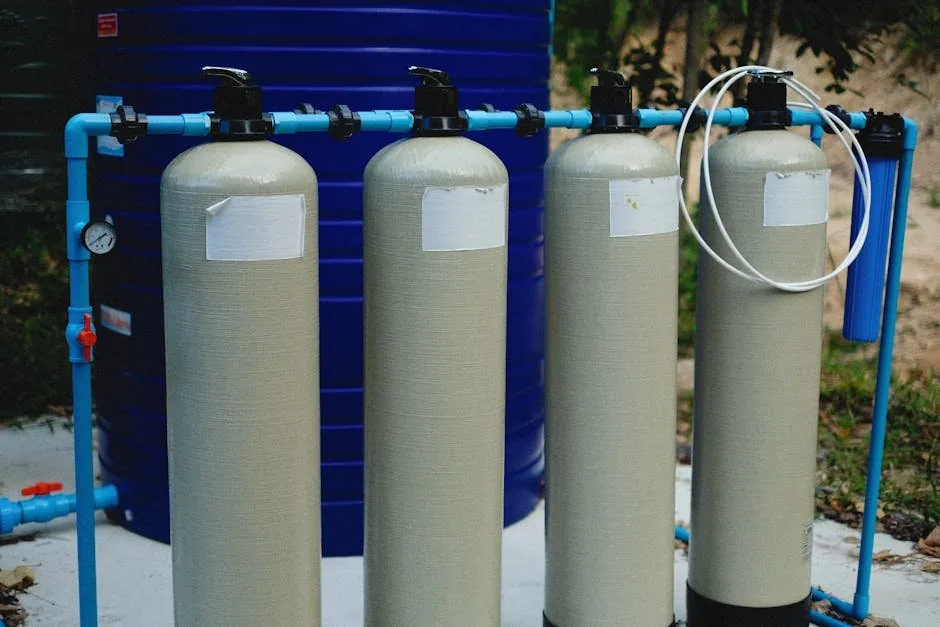
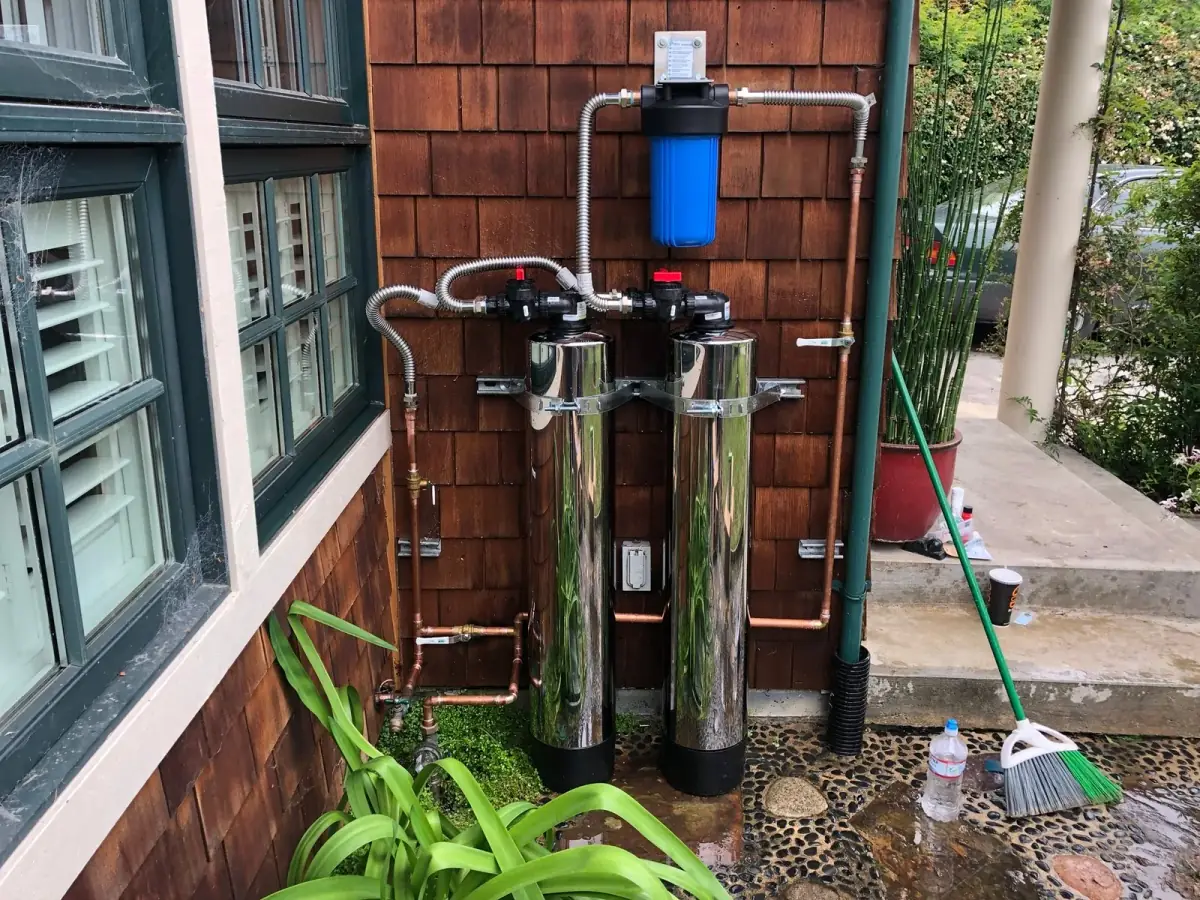
A whole house (point of entry) system treats all the water entering the home. It makes sense for problems that affect every fixture, such as sediment, hardness or iron staining, or for some well water treatment. It needs more space, a bypass valve for service and enough flow capacity that your water pressure does not drop.
Many homes end up with both: a sediment or softening system where the water enters, and a drinking water filter at the kitchen sink.
Think about water use, too
Reverse osmosis works well, but it uses water to do it. According to EPA WaterSense, a typical point of use RO system sends five gallons or more of reject water down the drain for every gallon of treated water, and some inefficient units send up to 10. WaterSense labeled RO systems must send 2.3 gallons or less per gallon treated, which saves an average of more than 3,100 gallons a year compared with a typical system.
EPA also says it does not intend to promote RO for every situation, because filtration that uses little or no water is sometimes enough. If you only want better tasting water, a carbon filter may be all you need.
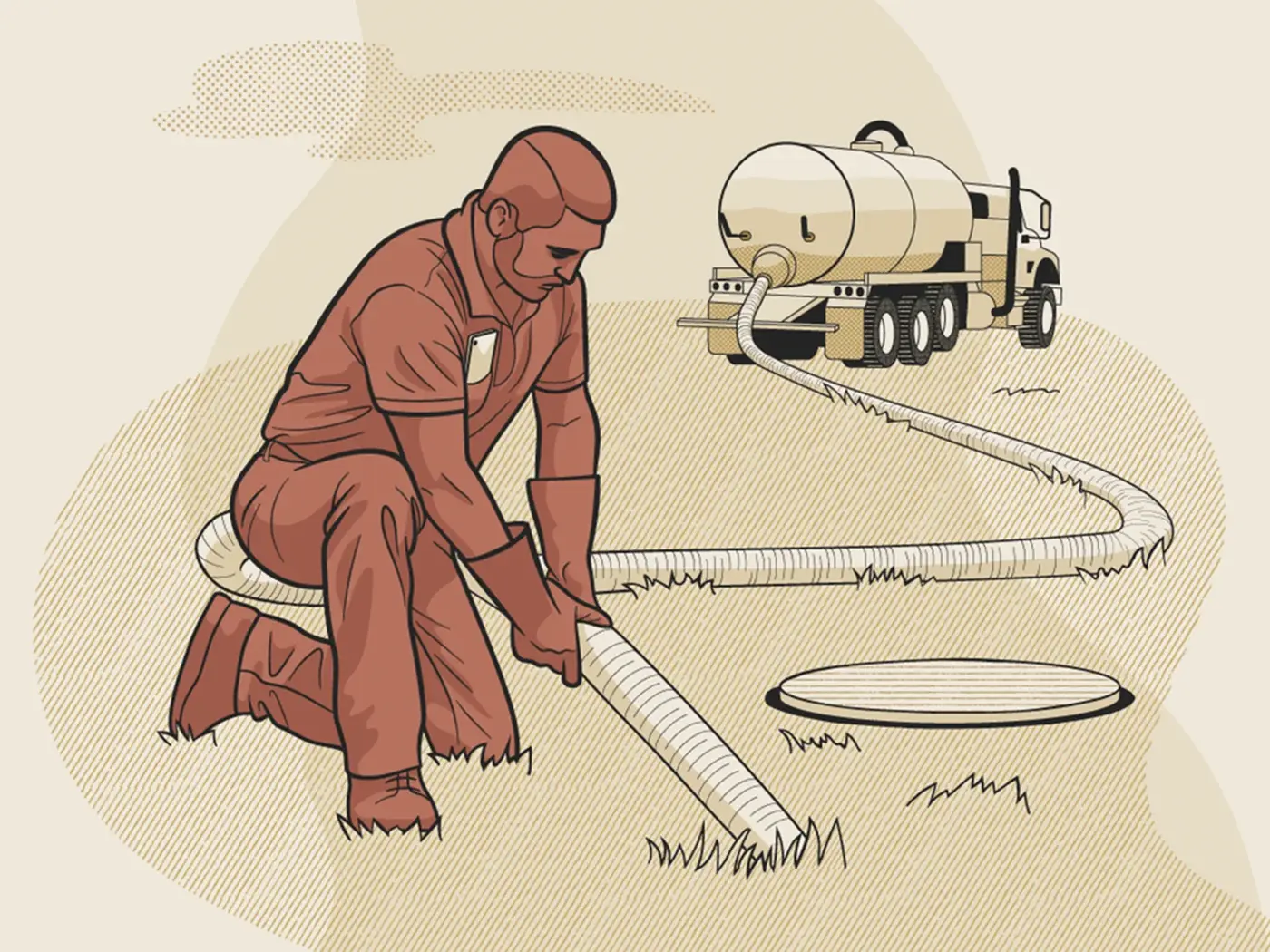
On septic? Plan the drain before you buy. Santa Cruz County's sewage disposal ordinance says discharge from water softeners, drinking water filters and other non-domestic sources shall not be discharged to the septic system, and County Environmental Health warns that softener brine can harm tank bacteria, clog the leach field and add load that leads to surfacing effluent. Its guidance prefers no softener or an exchange tank softener, with a separate drywell or subsurface system for any brine that must be discharged, and never discharge onto the ground. Confirm an approved discharge arrangement with County Environmental Health before installing an RO unit or softener on a septic property. Homes on sewer discharge softener waste through the sewer connection.
Maintenance keeps it working
Every filter has a capacity. Follow the manufacturer's schedule for replacing cartridges and membranes, and note the date on the housing when you change one. Signs a filter needs attention include:
- Taste or odor coming back
- Lower flow or pressure at the treated tap
- An RO system that takes much longer to refill its tank
- Leaks at filter housings or fittings
If a softener is part of the setup, keep salt topped up and have the control valve checked periodically. See our water softener maintenance service for what that involves.
Getting it installed
A clean installation matters as much as the equipment: correct shutoff and bypass valves, a proper drain connection for RO and softener discharge (separate from the septic system on septic properties), secure mounting and room to change filters later. Wade's Plumbing & Septic installs whole house and point of use water filtration systems across the county, including Santa Cruz, Scotts Valley, Felton and Boulder Creek. If your concern is old piping rather than the water itself, pipe repair and replacement may be the better fix.
Frequently asked questions
Do I need a water filter on city water in Santa Cruz County?
Not necessarily. Public water systems must meet EPA standards and report results each year. Read your Consumer Confidence Report first. Many people add a filter for taste, odor or a specific concern, such as older plumbing in the home.
How often should I test my well water?
EPA recommends testing a private well at least once a year for total coliform bacteria, nitrates, total dissolved solids and pH, and testing again after flooding, well repairs, nearby construction or a change in taste, color or smell.
Does reverse osmosis waste water?
Yes. A typical point of use RO system sends five gallons or more down the drain for every gallon it treats. WaterSense labeled models must use 2.3 gallons or less per gallon treated.
Is a water softener the same as a filter?
No. A softener treats hardness minerals that cause scale. It does not remove most other contaminants, so it is often paired with a filter.
Can a water softener or RO system drain into my septic system?
Not in Santa Cruz County. The county sewage disposal ordinance says discharge from water softeners and drinking water filters shall not go to the septic system. Check with County Environmental Health for an approved separate discharge before you install one.
Sources
- CDC, About Drinking Water
- U.S. EPA, Consumer Confidence Reports
- U.S. EPA, Protect Your Home's Water
- U.S. EPA WaterSense, Point of Use Reverse Osmosis Systems
- Santa Cruz County Environmental Health, The Harmful Effects of Water Softener Discharge on Your Septic System
- Santa Cruz County Local Agency Management Program, Appendix A: Sewage Disposal Ordinance
Need help choosing a water filter?
Wade's Plumbing & Septic serves homes across Santa Cruz County and nearby Santa Clara County communities. Quotes are free and pricing is flat rate, quoted on site before work begins. Request service or call during office hours, Monday to Friday, 9:00 AM to 5:00 PM.