
Some plumbing problems stay small: one slow sink, one drippy faucet. Others are symptoms of something bigger that a plunger or a new washer will not fix. These five signs usually mean the problem is in the pipes, the main line or the water heater rather than a single fixture. Each one includes a quick check you can do first, so you know what to tell a plumber when you call.
1. Low water pressure throughout the house
Low pressure at one faucet is usually a clogged aerator or a partly closed valve. Low pressure everywhere is different. It can come from a leak, corroded pipes, a failing pressure regulator or a problem on the supply line.
Check first: clean the aerator on the affected faucet and confirm the main shutoff is fully open. Ask neighbors whether their pressure has dropped, which points to the water provider rather than your house. If pressure stays low only in your home, it is time for a plumber.
2. Several drains slow or backing up at once
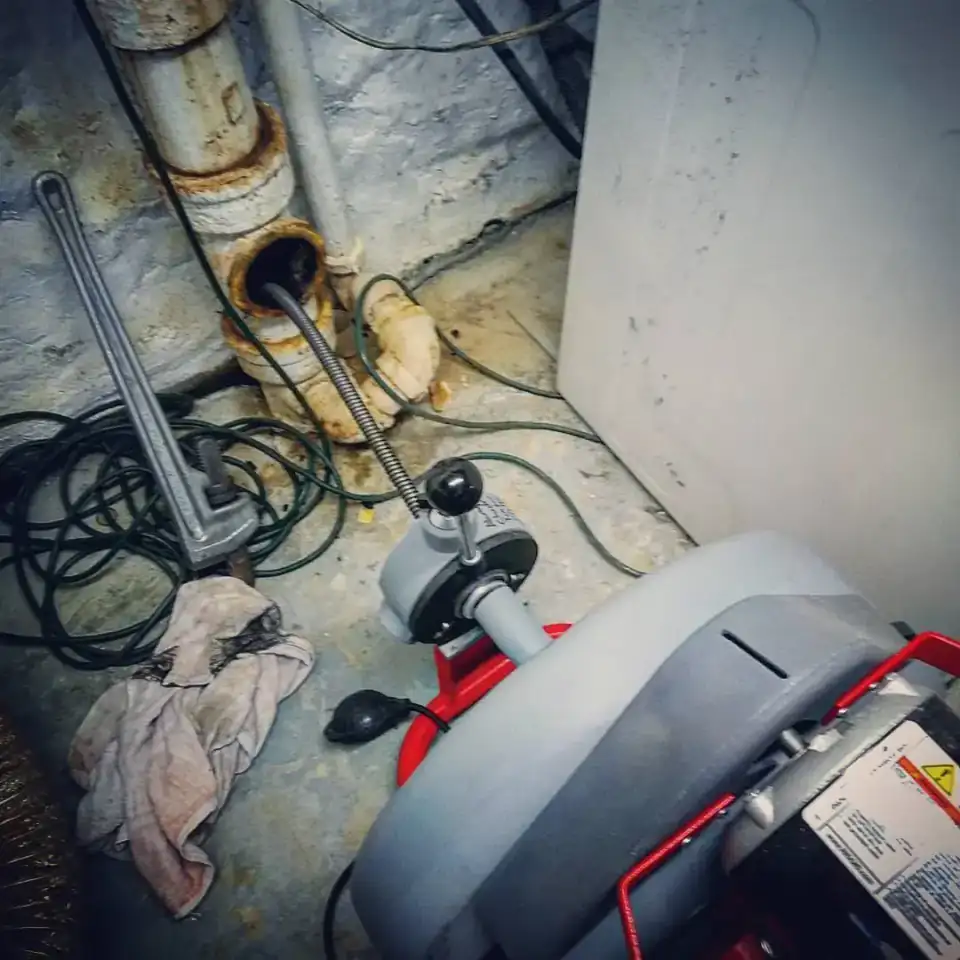
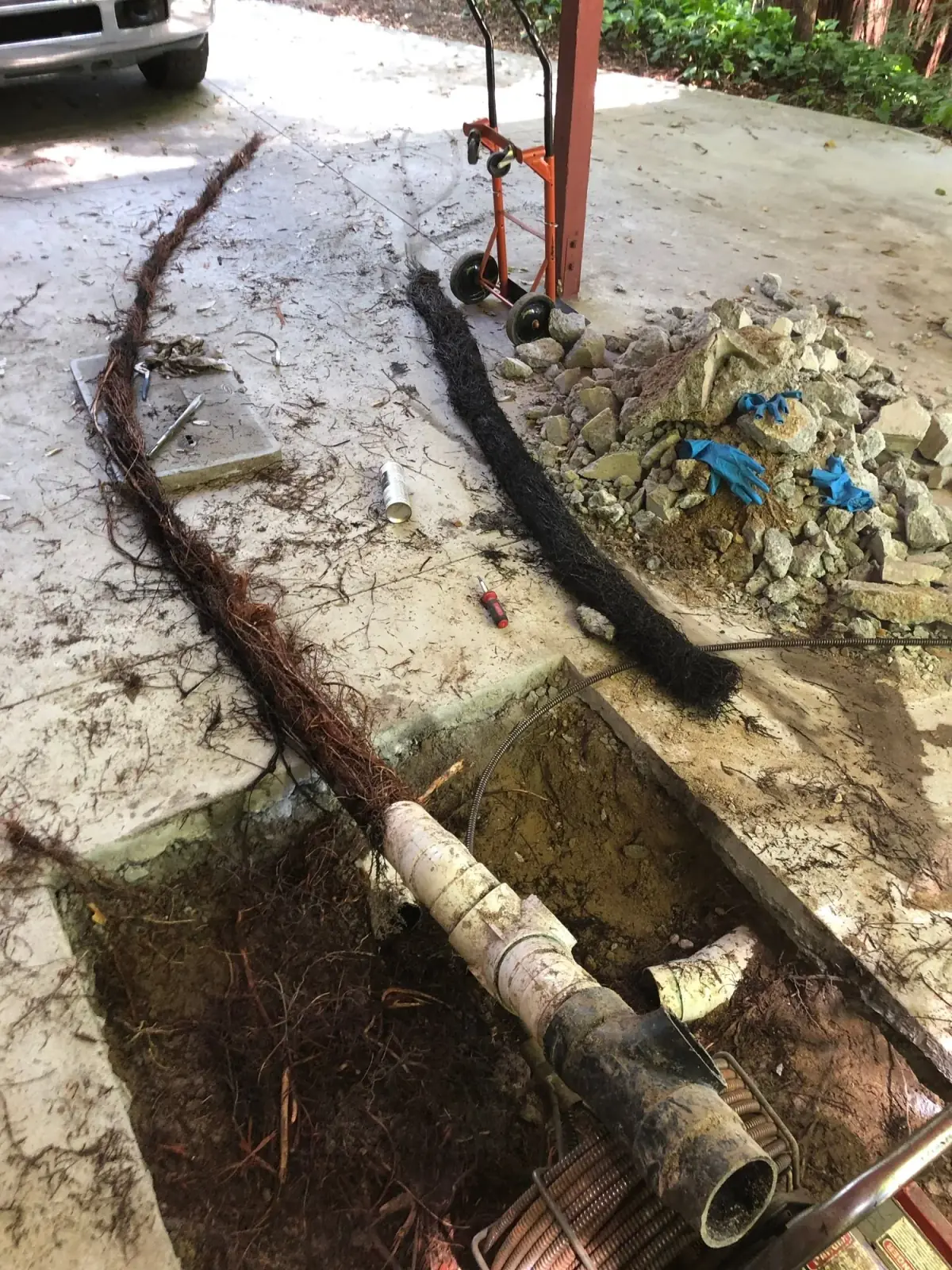
One slow drain is usually a local clog. When the tub, toilet and sinks are all slow, or water comes up in a shower when the toilet flushes, the blockage is usually in the main line. Santa Cruz County Public Works names grease, flushed solids and tree roots as the main causes of sewer line blockages, and notes that homeowners are responsible for the lateral from the house to the public sewer.
Check first: stop running water and avoid flushing. If you know where the cleanout is, note it for the plumber. On a septic system, slow drains throughout the house can also point to the septic tank or drain field. Our guide to dirty water backing up into a shower covers what to do right away.
3. Water heater problems
Rumbling or popping, rusty hot water, a leak at the base of the tank, or a temperature and pressure relief valve that keeps dripping are all reasons to call. A leaking tank rarely repairs itself, and the relief valve exists for safety, so do not plug or cap it.
Check first: look at the age on the label and note whether the leak is from a fitting at the top or from the tank itself. If you smell gas, stop: this is not a plumbing appointment. Federal pipeline safety guidance and PG&E both say to leave on foot right away, stay upwind, avoid switches, phones or anything that could spark until you are away from the building, and call 911 from a safe distance, then PG&E. Our guide to repairing or replacing a water heater explains the decision.
4. Water stains, warped floors or a musty smell
Stains on ceilings or walls, soft or warped flooring, peeling paint and a musty smell with no visible source can all mean a hidden leak. EPA says mold usually will not grow if wet materials are dried within 24 to 48 hours, so finding the water quickly matters. EPA also notes that hidden mold can grow inside walls around leaking pipes.
Check first: EPA recommends reading your water meter, waiting two hours without using any water, and reading it again. If the meter changes at all, you probably have a leak. EPA also says most homeowners can clean mold patches smaller than about 10 square feet themselves, once the water problem is fixed. The exception is damage from sewage or other contaminated water, such as a sewer backup or a leaking drain line. EPA says to call in a professional experienced with contaminated water cleanup in that case, whatever the size of the area. Our guide to signs of a hidden water leak has more checks.
5. The same problem keeps coming back
A drain that clogs every few weeks, a toilet that keeps running after new parts, or a leak that returns after each repair usually means the real cause has not been found. Repeated clogs in the same line can be roots, a sag or a broken section of pipe, which a camera inspection can show.
Check first: keep a short note of when the problem happens and what was done last time. That history helps a plumber find the cause faster.
Leaks add up
EPA estimates that household leaks waste more than 9,300 gallons of water a year in the average home, and that about 9 percent of homes have leaks that waste 50 gallons or more a day. EPA suggests checking winter water use: a family of four using more than 12,000 gallons a month probably has a serious leak. On a septic system, that extra water also goes to the drain field.
Frequently asked questions
Is low water pressure in the whole house a plumbing problem?
It can be. If neighbors have normal pressure and your aerators are clean, the cause is likely inside your property, such as a leak, corroded pipe or a failing pressure regulator.
Why are all my drains slow at the same time?
Several slow drains at once usually point to a blockage in the main line, not the individual fixtures. On a septic system, it can also be the tank or drain field.
How do I check for a hidden leak?
Turn off all water, read the meter, wait two hours and read it again. EPA says any change probably means a leak.
How is pricing quoted for plumbing repairs?
Flat rate pricing, quoted on site before work begins.
Sources
- U.S. EPA WaterSense, Fix a Leak Week
- U.S. EPA, A Brief Guide to Mold, Moisture and Your Home
- U.S. Pipeline and Hazardous Materials Safety Administration, Pipeline Leak Recognition and What to Do
- PG&E, Gas safety
- Santa Cruz County Public Works, Preventing Sewer Overflows
Need help with plumbing warning signs?
Wade's Plumbing & Septic handles leak detection, drain cleaning and pipe repair across Santa Cruz County and nearby Santa Clara County communities. Quotes are free and pricing is flat rate, quoted on site before work begins. Request service or call during office hours, Monday to Friday, 9:00 AM to 5:00 PM.